Farm Tours & Cheese Classes

From farm tours to workshops and classes on farm crafts and sustainable living, we love to connect folks with the land, the farm and their local food sources.

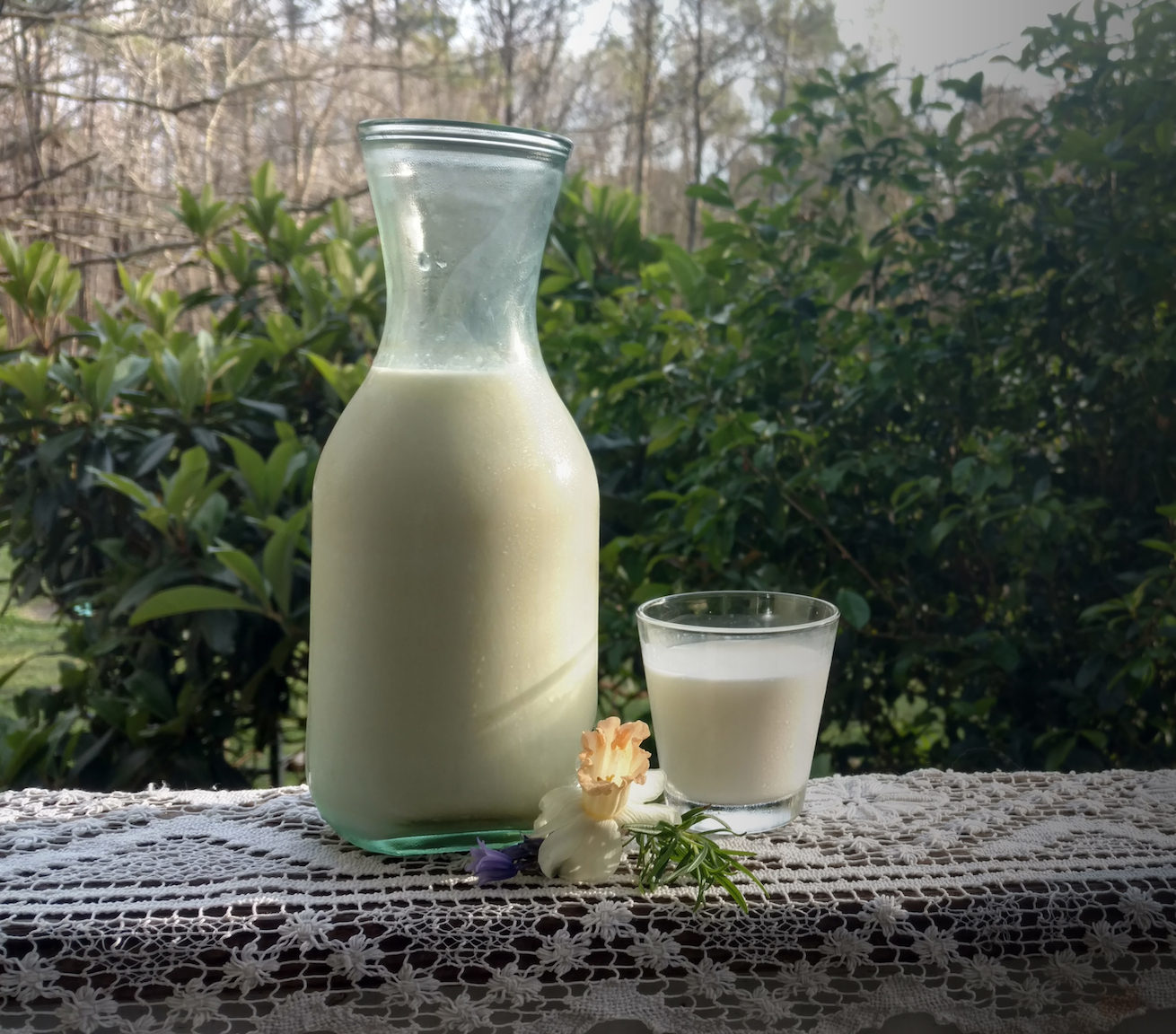
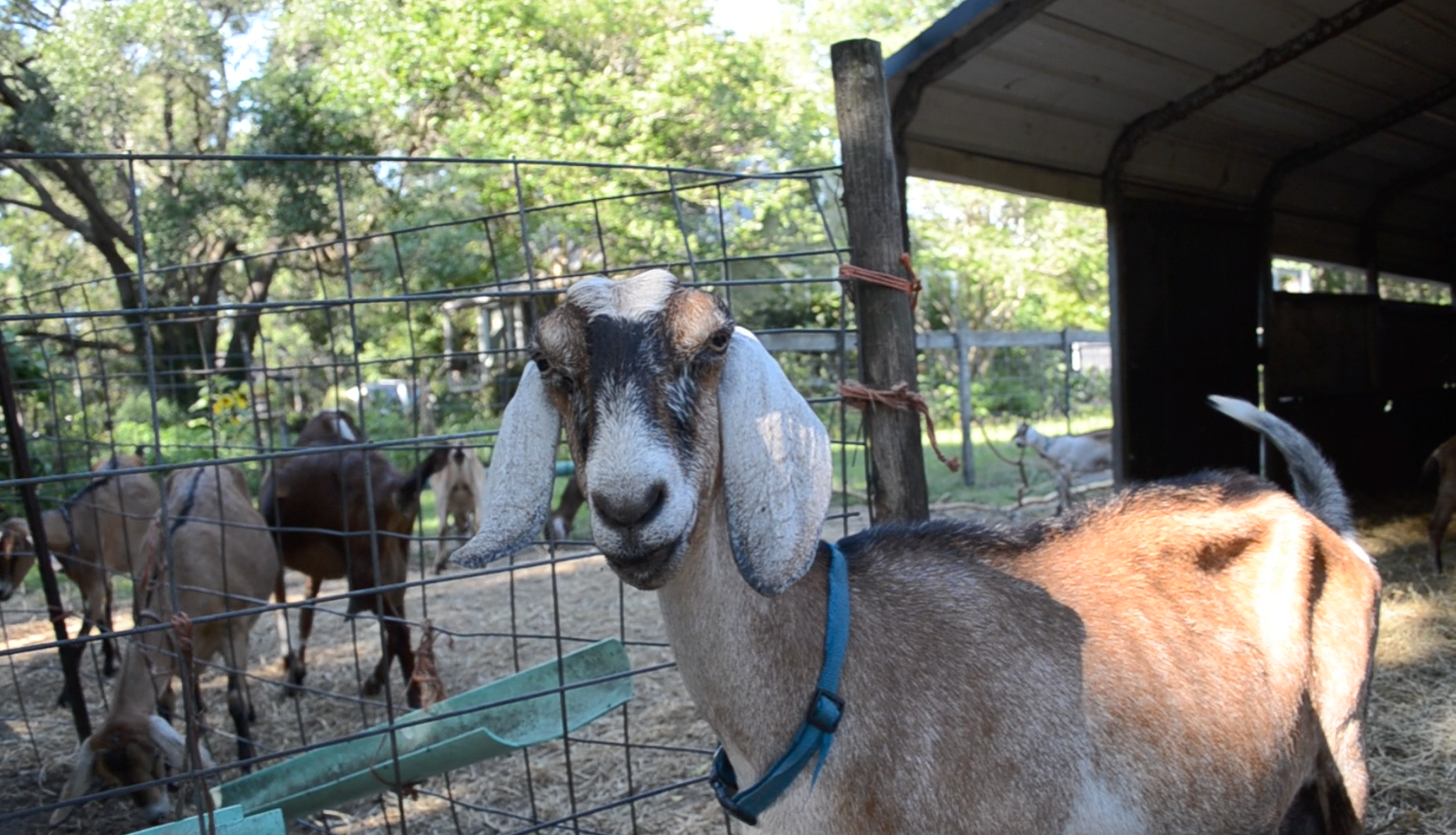
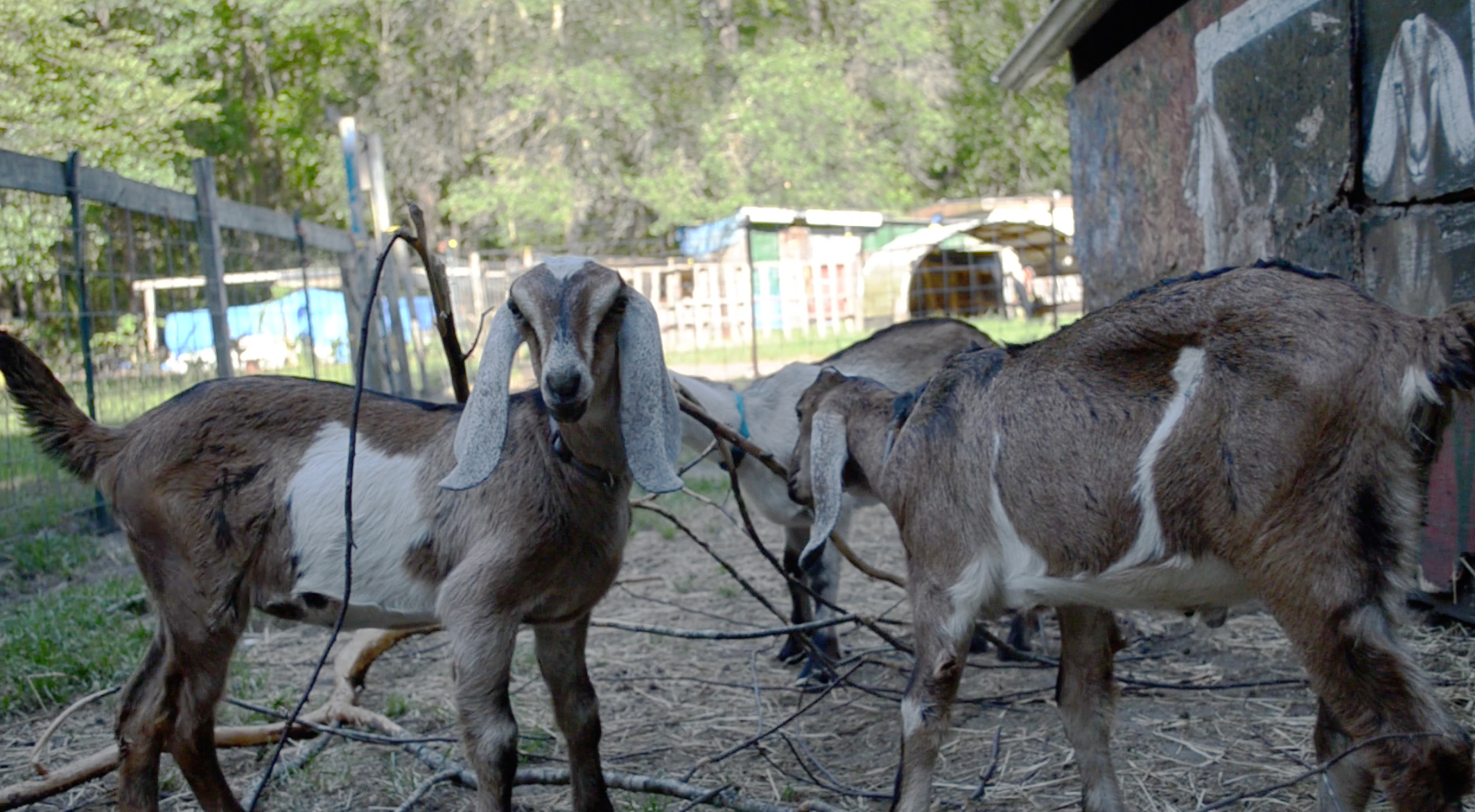
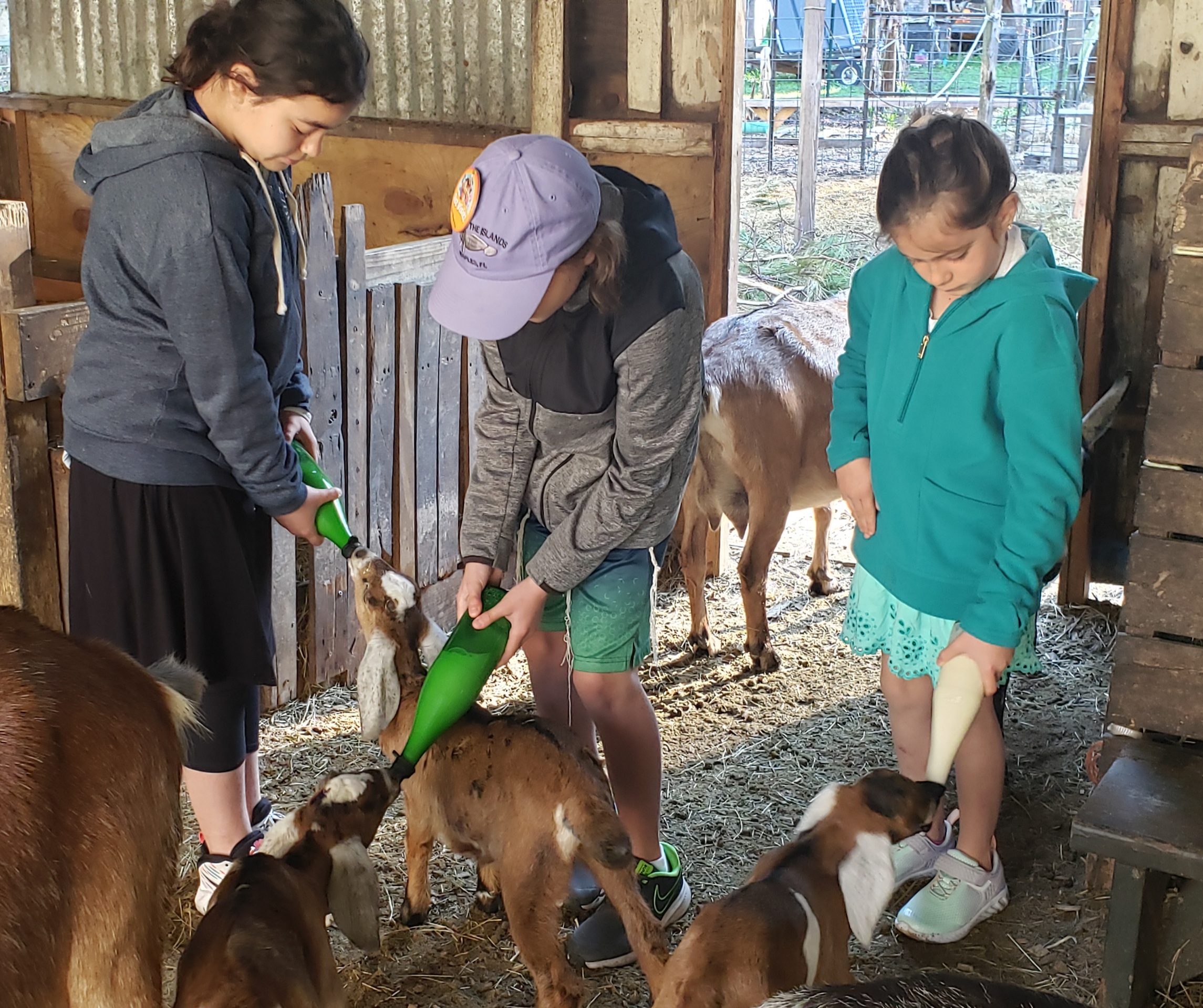
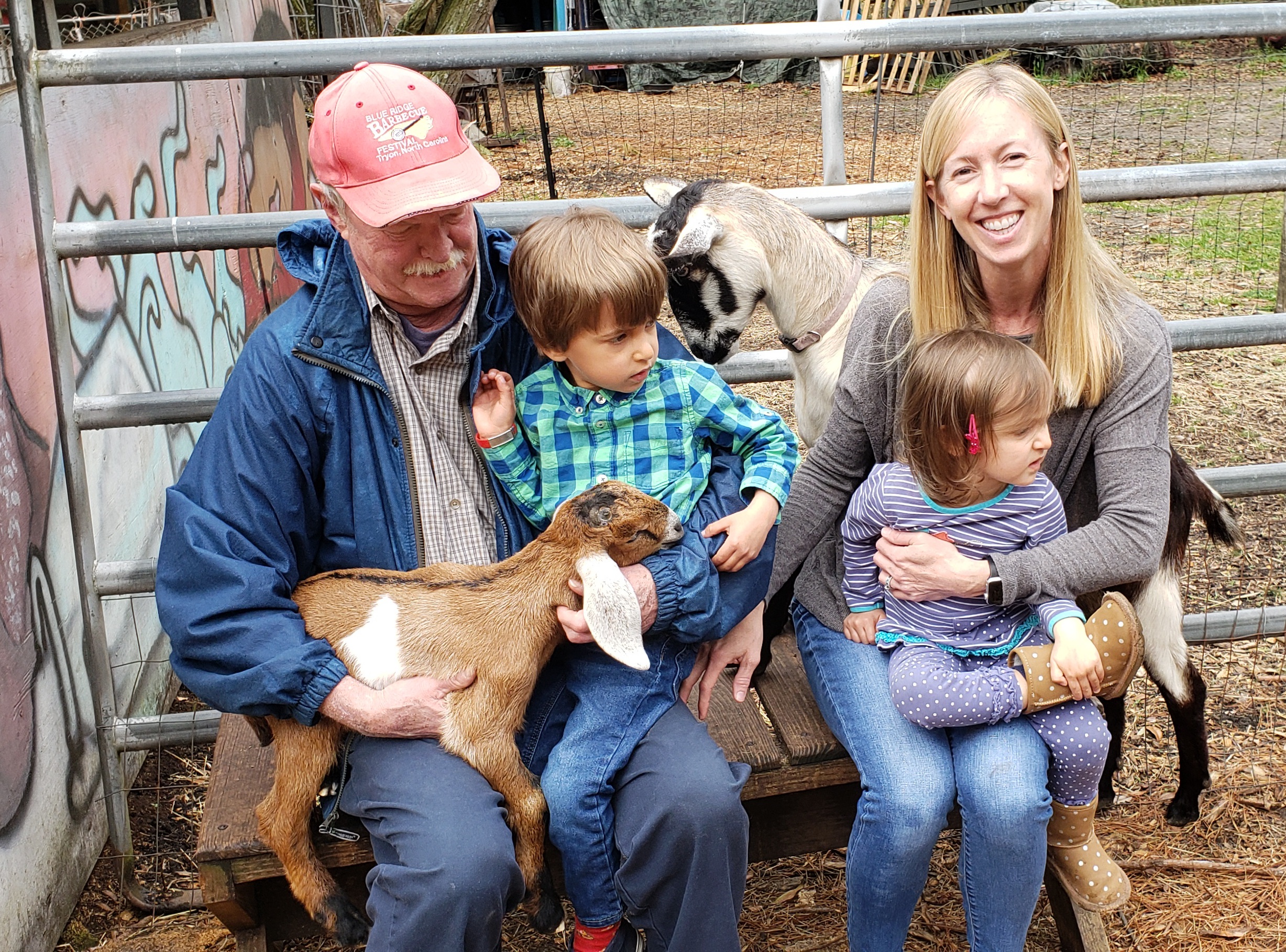
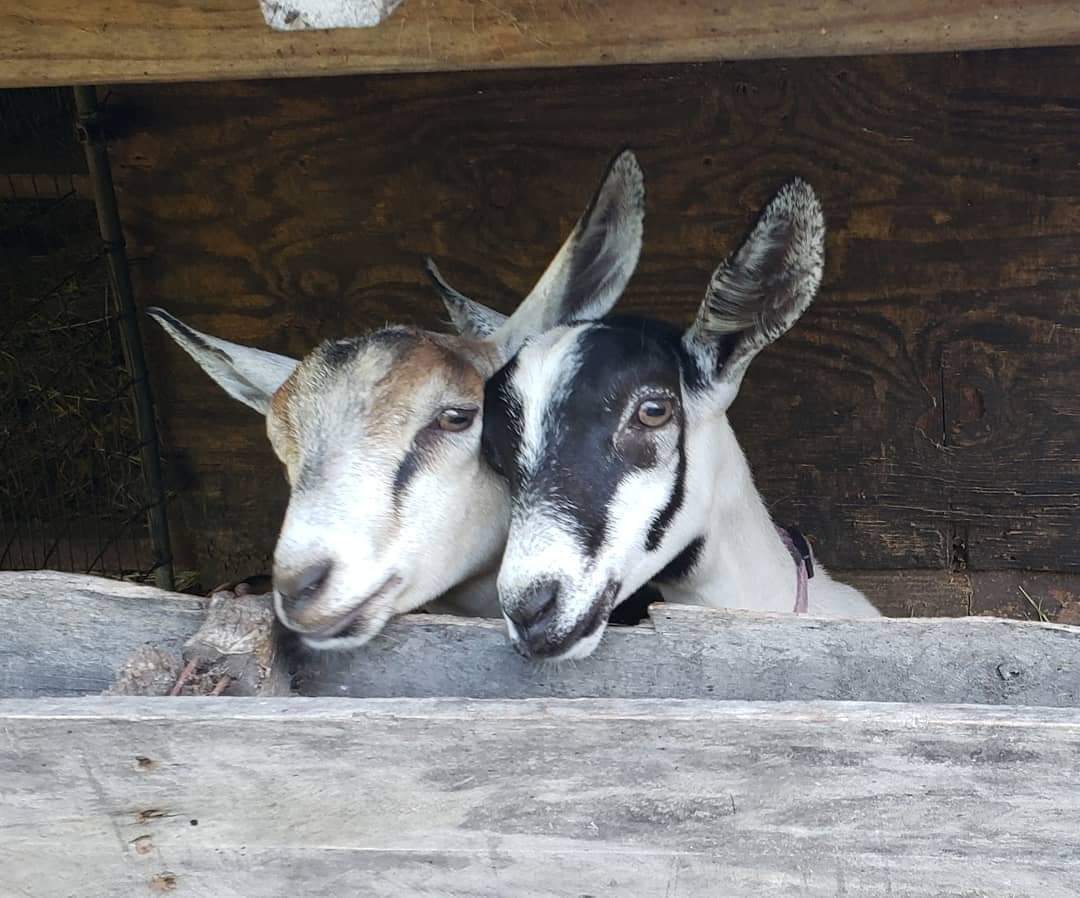
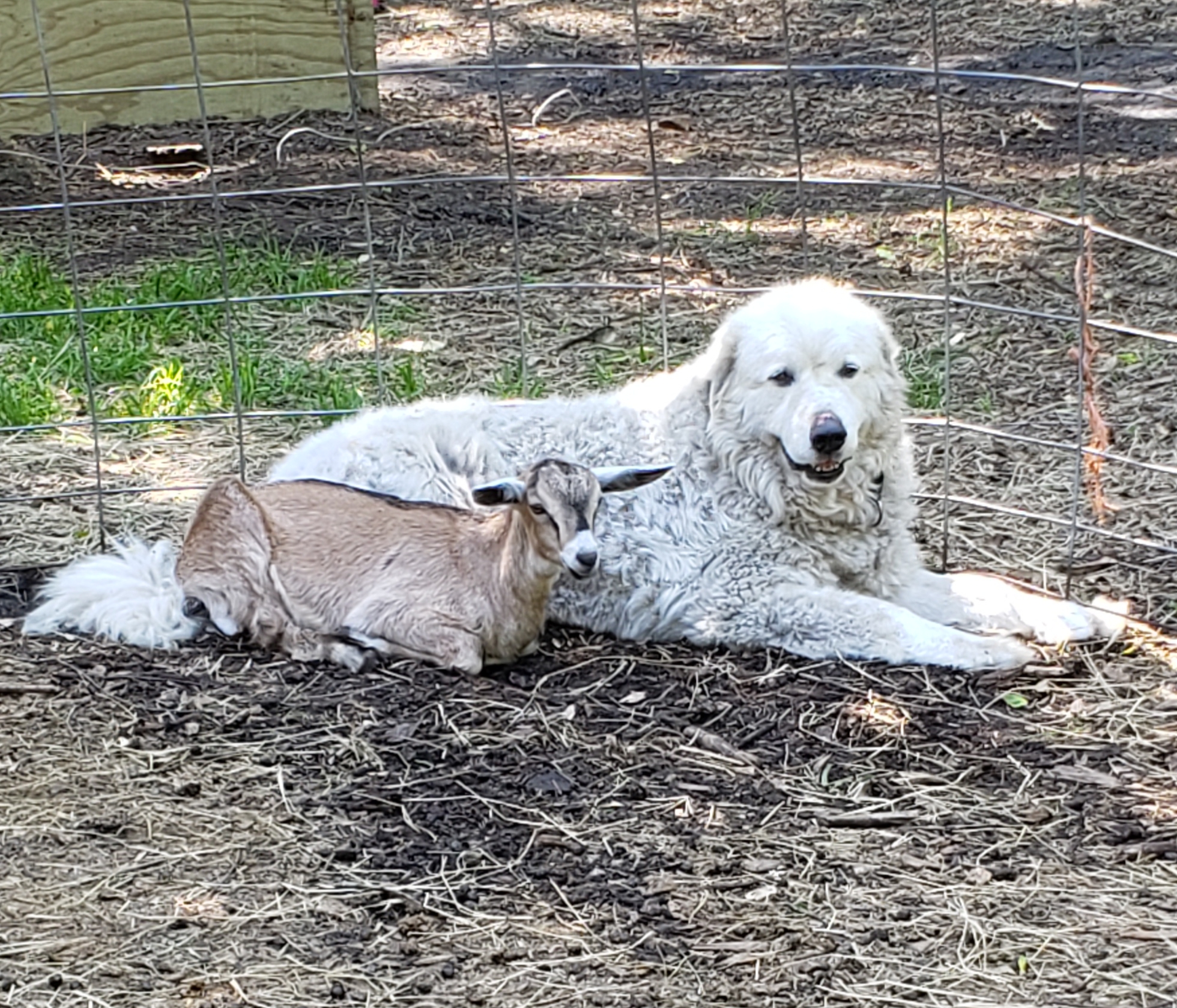
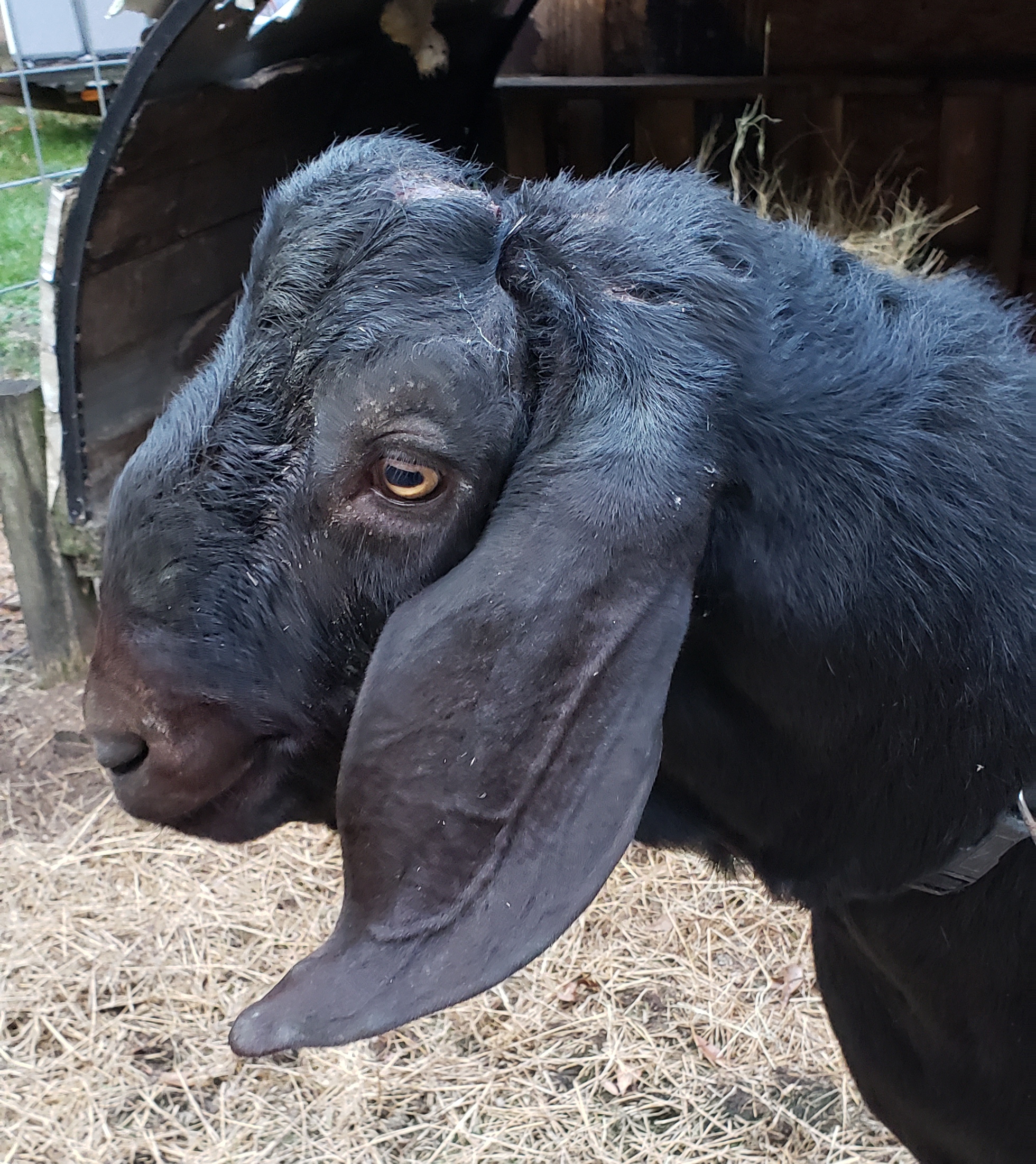
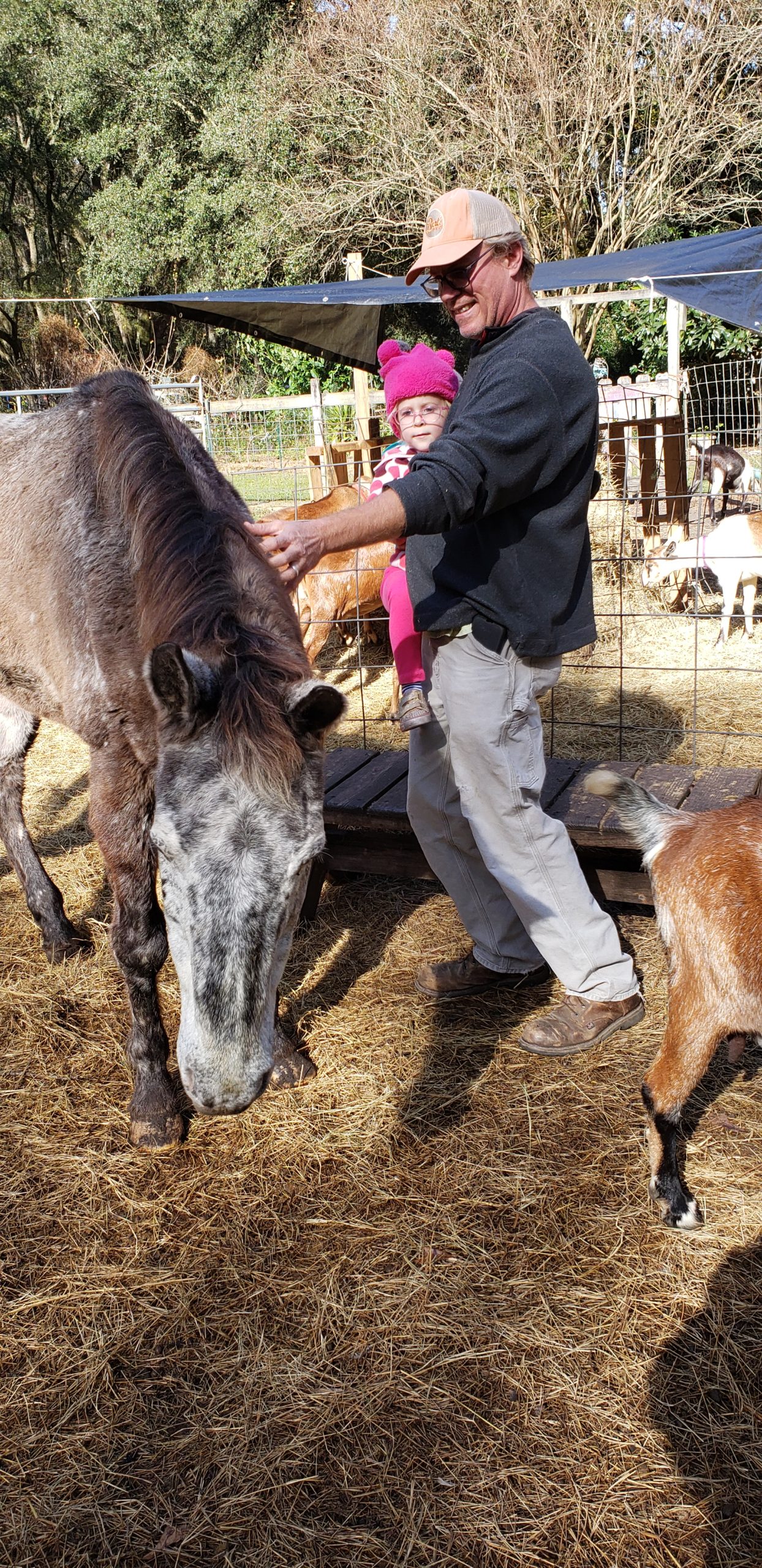
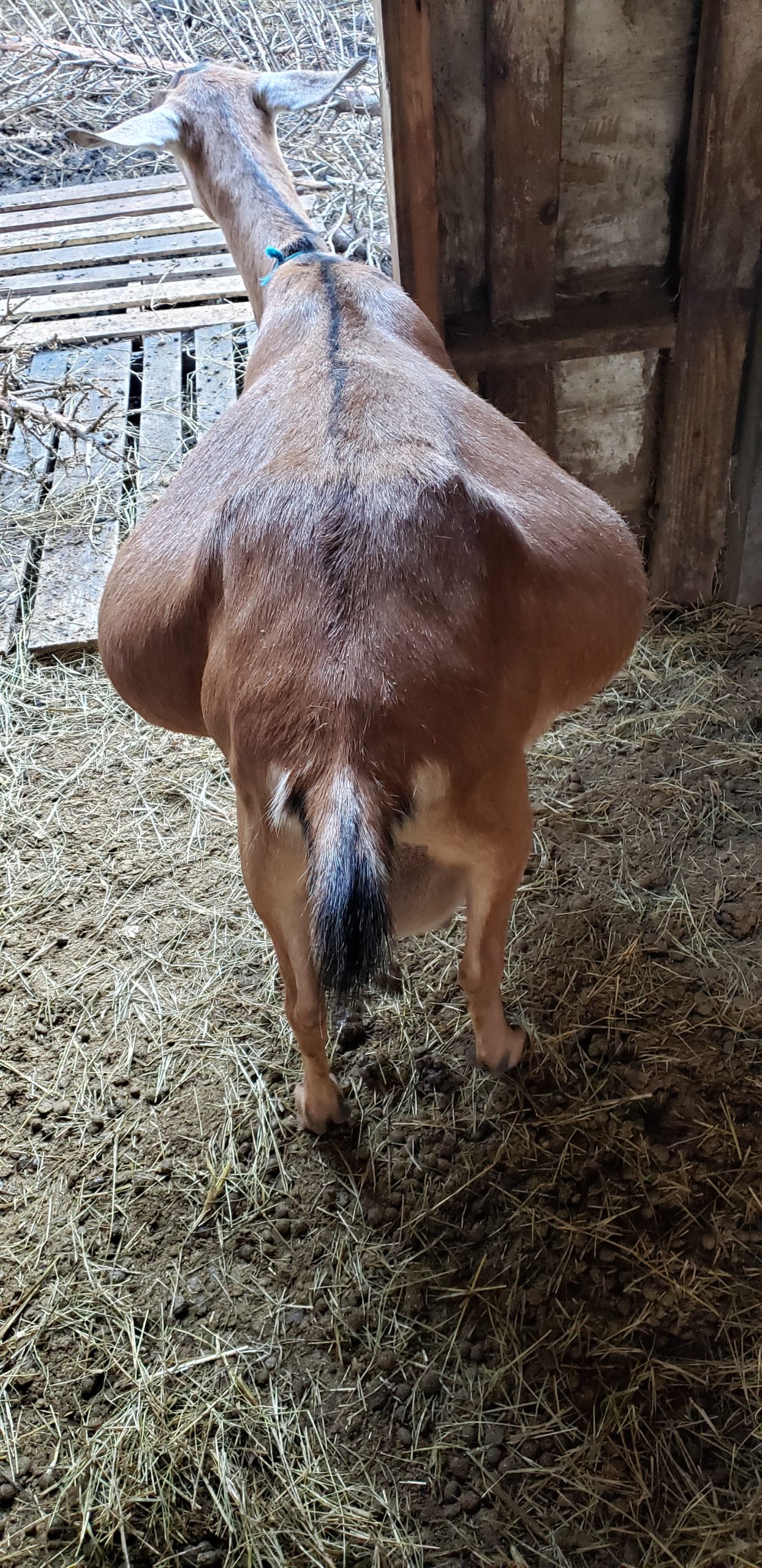
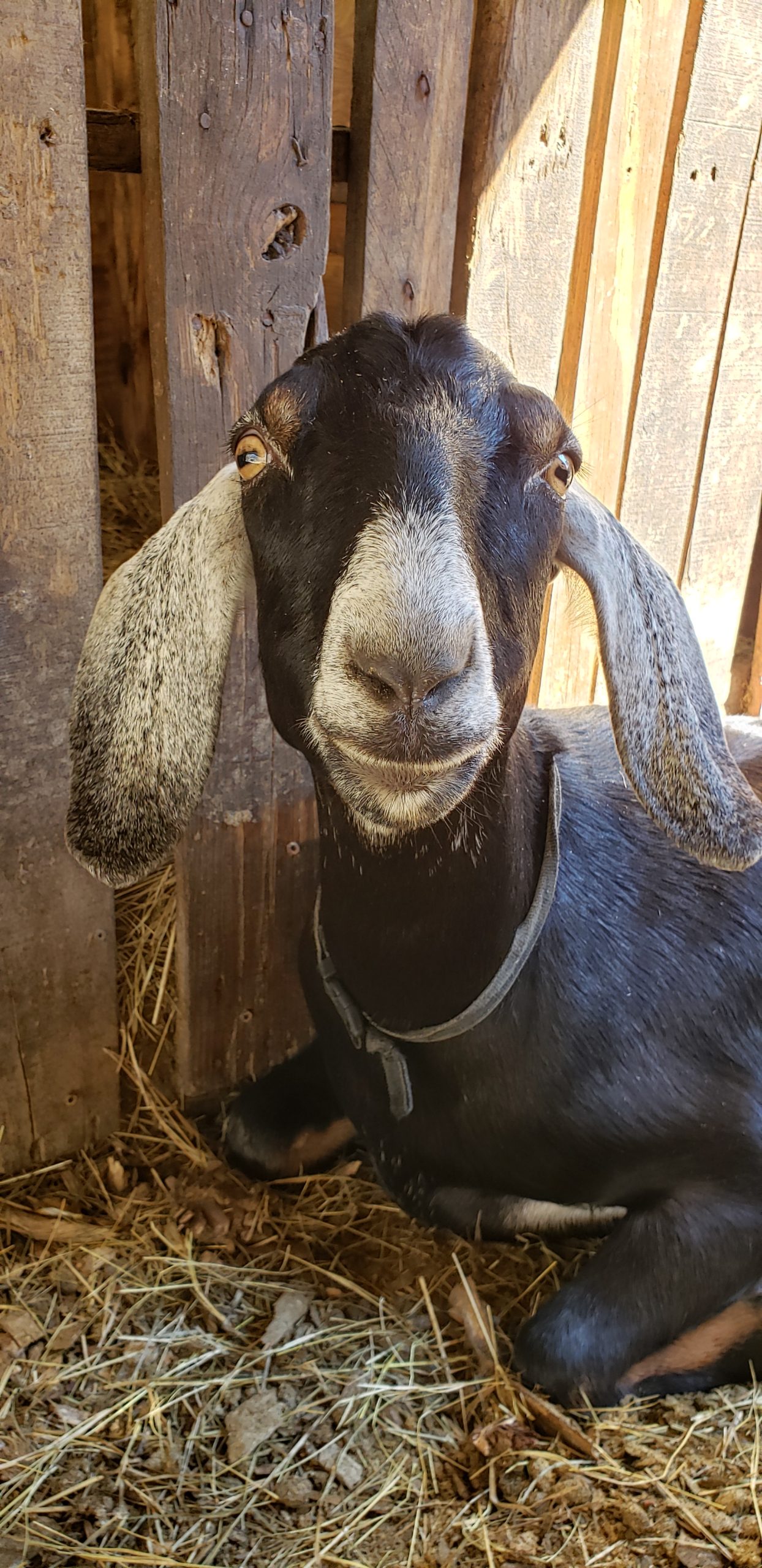
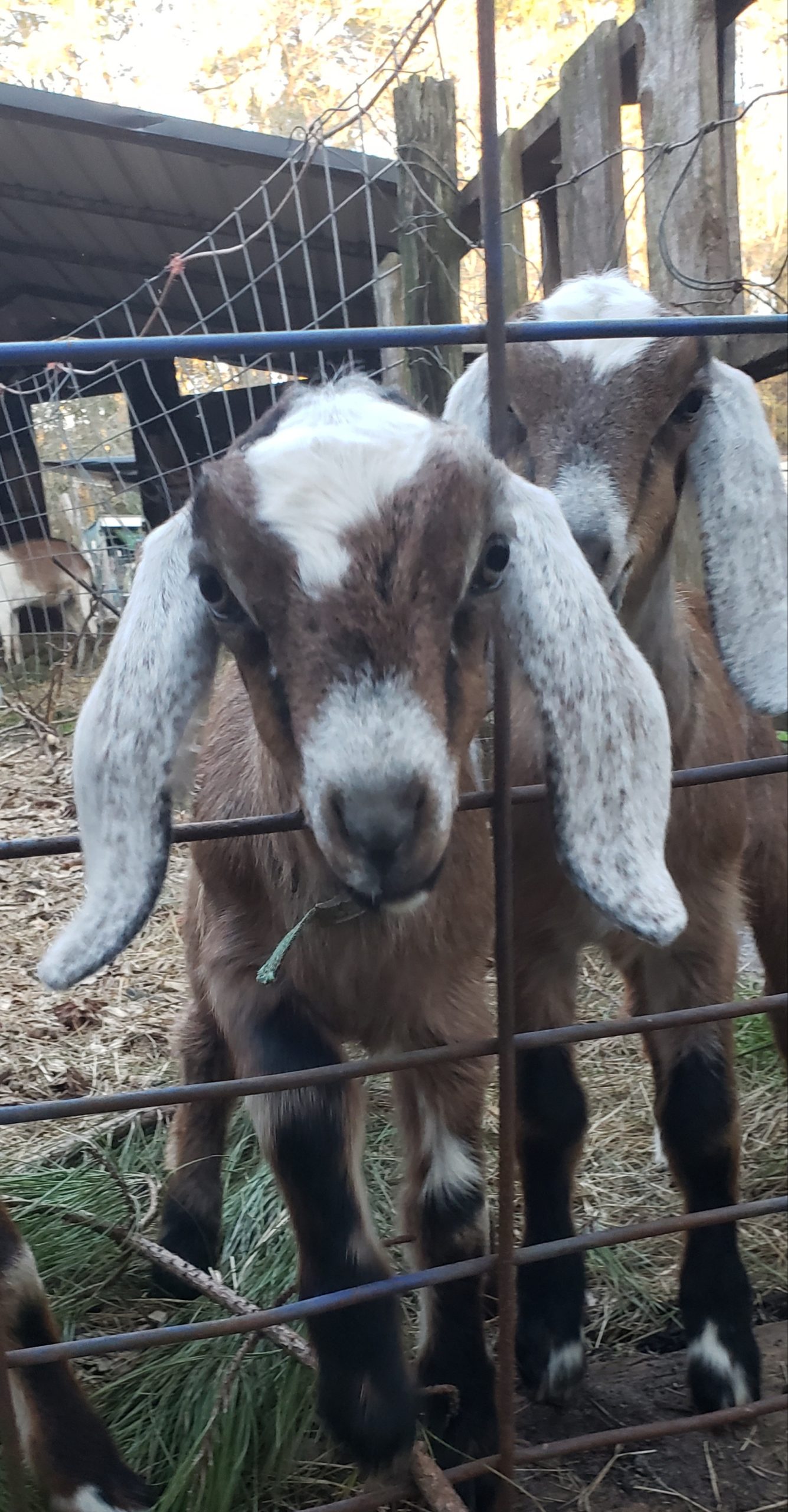
 When you schedule a basic farm tour, we will personally lead you through the veggie, herb, and flower gardens where you will learn about sustainable living, organic growing practices, crop rotation, and good varieties to grow in the coastal garden, etc.  Then we will visit the livestock and learn about dairy goats and the operation of a Grade A raw goat milk micro-dairy.  Every tour finishes with a taste of fresh whole goat milk and time for questions and answers.  Plan about 1 to 1.5 hours depending on the age range of your group.  $3 per person.  Max group 25 people.

If you are more interested in keeping goats yourself then our intensive goat keeping class is for you.  You learn about the different breeds of dairy goats, housing, fencing, nutrition, goat health & management, hoof care, vaccines, disbudding, breeding/kidding and the ins and outs of operating a small Grade A dairy.  We offer this more intensive tour to individuals and very small groups.  Bring your questions, spend one on one time with the owner/operator, and come away with answers and some helpful resources.  By appointment.  $45 per person.  Discount rate for 3 to 6 people as a group.

Our standard milk/cheese classes are:

1.      Full Circle Tour – A great way to begin your cheese making experience.  We start by touring the gardens, move on to meet the livestock and circle around to the milk house where you will learn to milk a goat the make a simple and tasty cheese using the milk right from the bucket.  2 hours, $15 per person 5 to 10 people.

 2.      “3 Cheeses in 3 Hours” Where our focus is cheese, cheese, and more cheese.  Following a brief tour of the farm, gardens and pastures we will gather in the kitchen where I will demonstrate the making of three easy soft cheeses using our fresh Grade goat milk (feta, mozzarella, & whole milk ricotta).  I also offer tips on making whey ricotta & chevre/fromage blanc (and share samples when available).  Bring your appetite, I promise you will not depart hungry.  Recipes are included with your participation.   $30 per person, 5 to 10 people.

 3.     Lets get cultured- Making Kefir, Yogurt & Kombucha  You’ve been buying it at the local store for years, you’ve read all the health info that encourages you to add probiotics to your daily diet for gut health, you are ready to take the next step.  In this class we will teach you how to make your own (milk or water) kefir, yogurt, and kombucha.  We will cover the basics of what each product is, the common benefits, and the basic how to’s.  Bring your notepad, and bring a friend.  1.5 hours $20 per person, includes a starter jar with grains, cultures or scoby (you choose which one) and easy directions to take home.

4. Advanced Cheese Making  This day will involve the ‘hands on’ aspects of making hard and soft cheeses.  There will be discussion about seasonal milk supply, pros and cons of heat treatment of milk for cheese, starter cultures, rennets, equipment, and hygiene.  We will make a simple pressed cheese, farmhouse cheddar and a marinated cheese.   Please email for more details on this new class coming spring of 2012.

Tours and classes are only done by appointment.

Call or email today to get on the schedule.

Tim and Casey Price

843-559-1678

Jeremiahfarmsc@aol.com

Posted in Workshops & Classes | Comments Off

Christmas Cookies, pt 1

Tis the season to start baking, fa la la la la, la la la la…Everybody sing along now….  And please remember carols are a great way to get you in the Christmas Spirit as well as put a smile on your face.  No lectures about Thanksgiving not even being here yet, we are talking “serious baker mode” has descended!  (Plus, I need more ways to freak my daughter out as she tries to reconcile my grinchy side with my Christmas spirit sideJ.)


There is something about that first frost that stirs up the baker in me.  I can’t resist getting in the kitchen and stirring up something warm and sweet when the nights start cooling off.  I was recently reading the food section in our local paper and one reader was asking for crackly-topped cookies.  Suddenly I had a mind picture of my mother’s kitchen; she had a big grin on her face and flour up to the elbows.  My mouth started watering and I’m sure I got a whiff of fresh baked cookies.  So I had to hit the recipe books and see I could find.


The following recipes came from my mom’s recipe drawer.  My sister dug them out for me the Christmas after my mom passed away in 1997.  We made these cookies every Christmas along with other favorites such as Apricot-Hazelnut Biscotti, English toffee and fudge, for our family to enjoy and to give to friends as gifts.


Chocolate Crinkles 

3 beaten eggs

 1 ½ cups sugar

4 squares unsweetened bakers chocolate, melted

½ cup cooking oil

2 tsp baking powder

2 tsp vanilla

2 cups all purpose flour

Sifted powdered sugar


In a mixing bowl, combine beaten eggs, sugar, melted chocolate, cooking oil, baking powder, and vanilla. 

Gradually add flour to mixture, stirring until thoroughly combined.

Cover and chill 1 to 2 hours until easy to handle and not too sticky.

Shape dough into 1 inch balls.  Roll balls in powdered sugar to coat generously.  Place 1 inch apart on an ungreased baking sheet.  Bake in a 375* oven for 8 to 10 minutes or until edges are set and tops are crackled.  Cool cookies on a wire rack.  If desired sprinkle with additional powdered sugar.  Makes about 4 dozen cookies.


Snickerdoodles

½ cup butter

½ cup granulated sugar

1/3 cup brown sugar

1 egg

½ tsp vanilla

1 ½ cups flour

¼ tsp salt

½ tsp baking soda

¼ tsp cream of tartar


Topping


2 tbsp granulate sugar

1 tsp cinnamon


In a large bowl, cream together the butter and sugars with an electric mixer on high.  Add the egg and vanilla and beat until smooth.

In another bowl, combine the flour, salt banking soda and cream of tarter. 

Pour into the wet ingredients and mix well.

Let dough rest and chill in the refrigerator for 30 to 60 minutes.


Preheat oven to 300*

In a small bowl combine sugar and cinnamon for the topping.

Take about 2 Tbsp dough and roll into a ball.  Roll the dough ball into the cinnamon sugar mix and press it onto an ungreased baking sheet.

Repeat for remaining cookies. 

Bake for 12-14 minutes (no more).  The cookies will seem undercooked but will continue to develop when removed from the oven.  Let sit for a bit to cool and firm before removing to a cooling rack.  Makes approx 2 dozen cookies


Chocolate Crinkles (This is from my moms original Better Homes and Gardens new cookbook, 1950 something version??)


½ cup shortening

1 2/3 cup sugar

2 tsp vanilla

2 eggs

2 squares (1oz ea) unsweetened chocolate, melted

2 cups sifted all purpose flour

2 tsp baking powder

½ tsp salt

½ cup milk

½ cup chopped walnuts

Sifted confectioners sugar


Thoroughly cream shortening, sugar, and vanilla.  Beat in eggs, then chocolate.

Sift together dry ingredients; blend in alternately with milk.  Add nuts.

Chill 3 hours.  Form into 1 inch balls.  Roll in confectioner’s sugar.

Place on greased cookie sheet 2 to 3 inches apart. 

Bake in 350* oven about 15 minutes.  Cool slightly; remove from pan.  Makes about 4 dozen.


PS – I would add some mouth watering photos but the camera died so you will have to make your own  cookies and wait for your senses to catch up with the fragrance coming from the oven…

Posted in Recipes | Comments Off

How do I find local farmers and good food?

Many thanks to Jeff Allen for his write up on our farm in “Dirt” Charleston City Papers guide to local farms and food.  Check our listing below as well as all the other wonderful options for connecting with your local farmers…

http://www.charlestoncitypaper.com/charleston/Location?oid=3628896

or http://www.charlestoncitypaper.com/charleston/dirt/Category?oid=3628746

Posted in Links to other helpful websites | 1 Comment

Pears are in season – relish recipes

Pear Relish from Elise B. Bennett, of Smoaks:

1 peck pears

6 red bell peppers

6 green bell peppers

5 or 6 medium onions

1 Tbsp salt

2 lbs sugar

2 Tbsp tumeric

4 cups white vinegar

2 Tbsp whole pickling spice, tied in a cheesecloth bag


Cut bad spots out of pears but do not peel.  Cut into pieces.  Grind pears, peppers, and onion.  Mix with remaining ingredients in a stockpot.  Boil stirring occasionally for 25 – 30 minutes.  Remove spice cloth.  Put in clean jars and seal. 


Of course, we had to tweak it to use what we have fresh in the garden right now so here is my ingredient list:


½ peck pears

3 jalapeño peppers, seeded

8 sweet banana peppers

3 green bell peppers

3 sweet onions

½ Tbsp salt

2 cups sugar

1 Tbsp Tumeric

2 cups cider vinegar

1 Tbsp pickling spices


I will probably use red onions and an extra jalapeño next time just to make things interesting.


Here are a couple other recipes you might try as well.


Tennessee Pear Relish – Jane Williams of Charleston

16 pears

4 large onions

1 whole bunch celery, including leaves

4 bell peppers

1 tsp celery seed

1 – 2 tsp salt

3 cups sugar

2 cups vinegar


Grind first five ingredients.  Mix well, sprinkle with salt, let drain 2 hours.  Boil sugar and vinegar.  Add pear mix and return to boiling, continue to boil 5 min.  Pour into sterilized jars.


Nell Harvey’s Pear Relish

4 qts pears

3 red bell peppers

3 green bell peppers

6 onions

3 cups sugar

5 cups white vinegar

Salt to taste


Follow same directions as Tennessee Relish


Posted in Recipes | Comments Off

Lowcountry Local First farm tour

Here are photos from the farmer incubator group tour of the farm:  summer 2011.  Thanks for sharing Nikki!

https://picasaweb.google.com/SeibertN/JeremiahGoatFarmEtc

Posted in Links to other helpful websites | Comments Off

Soap making class and a couple of bath and body recipes

I was all set to just post a couple of bath and body recipes for you to try but I had a wonderful visit from our dearest friend of the farm, Susan.  She has agreed to host and teach a 3-hour soap making class at her farm “Sweet Bay Acres,” just up Hwy 61!  We will use our fresh goat milk and you can participate in all the fun as well (early details on the class at the end of this post).  So save the date (better yet, rsvp today and reserved your seat in the soap making class and get a jump on your Christmas gift making as well!)  - September 10, 2011 – 10am to 1pm.


That said, I will continue with the current happenings here at the farm.  Its still summer and despite the intense heat and humidity, the milk is still flowing heavy and sweet (and hopefully at your farm too).  If you don’t have your own milk source please call or email us to connect with some fresh goat milk.  Then you too can try your hand at some handmade bath and body products.


These recipes were given to me from a couple of old friends of the farm.  They had great success but like anything else in life, your success will vary based on conditions.  I personally have not taken the time to try these yet – (Tim is the soap maker at in our home, but I am inspired to give it a shot just typing out the recipes and yes, I have added them to my to do list right after making some cheddar cheese, having the new kitchen cabinets installed, trimming the goats feet, painting the barn, scrubbing the milking parlor, painting the back porch and outhouse, fixing fence, mucking the barn, and, and, and…).  Now that Susan has agreed to host a class, I have a date and no more excuses to not make some soap myself.  I am making cheddar today and the cabinets are being sanded as I type…


Supplies:


Crock pot or dedicated saucepan or microwave safe bowl to melt waxes and combine oils

Spoon to stir ingredients

Whisk, hand held electric mixer, or blender

Molds or containers to hold soaps or lotions (this can be something as simple as a bread or cake pan, pvc pipe, a clean wooden box, etc)


Blender No Cook Goats Milk Soap

Modified from http://www.colebrothers.com/soap/

4oz coconut oil

4 oz vegetable oil

8 oz olive oil

2.2 oz Red Devil Lye

7 fl oz fresh goat’s milk


Make this recipe in a blender.  If any of your oils are in solid form they must be melted first.  Wear thick rubber gloves, goggles and a smock when working with lye (safety first). The lye mixture becomes hot as it is mixed and can be dangerous.

Step One – Dissolve the lye in cold milk and wait until it cools. Make sure you are wearing goggles and gloves when handling lye. Never pour milk or water into lye. Only pour lye INTO milk or water.

Step Two – Carefully pour the oil and then the lye solution into the blender. Be careful not to splash or spill the lye on yourself or others.

Step Three – Lock the blender in position, secure the cover, place a towel over the top of the blender for safety, and process at the lowest possible speed. Make sure you are wearing your goggles when you process the soap mixture and make sure the towel is in place to avoid any accidental splashing of the lye/oil mixture.  Stop the blender and check the soap often to watch for what is called a thin-trace stage. This is when the soap mixture just begins to thicken.  Most folks that use fresh cold goat milk don’t wait for the trace they just proceed (when you try it let me know your results and we will add that to the info, thanks) Each time you stop the blender, wait a few seconds before removing the cover. Sometimes the soap “burps” when it stops as trapped air comes to the top. At the thin trace stage, stop the blender and stir the soap to check for tracing and to allow bubbles to escape.

Step Four – At this point you can add any essential oils, colorants or fragrances as well as any other ingredients such as oatmeal or herbs. Blend these in for a few seconds and then stop the blender.

Step Five – Pour the soap into individual molds. Cover it with a blanket for insulation. Let the soap set for a day or two and then after popping it out of the molds cut it and let it age for at least three weeks.


The following are tips on making soap in the blender:

Benefits of making soap in a blender:  Although using a blender does not allow for big batches of soap, it has four major advantages:

1) Blending your soap mix makes for a much shorter time to the thin trace stage. Instead of 15 – 40 minutes, it might require only minutes or even seconds.

2) Since liquid fat and oils can be used at room temperature, no thermometers are required. For solid fats simply heat them until they are melted.

3) The blender effectively whips the lye water into the fats producing a much smoother mixture so the chances of your mix separating are greatly reduced.

4. Your soap bars will be creamier in consistency and should float due to the air that is whipped into the solution.  (Use small one-pound batches only).


Goat Milk Lotion

1 ½ Tbsp beeswax

2 Tbsp palm oil

2 Tbsp pumpkin seed oil

3 Tbsp sweet almond oil

1 Tbsp apricot oil

1 Cup warm goats milk

Essential oil/fragrance oil to your taste


Melt beeswax and palm oil together.  Remove from heat.  Add remaining oils and blend well.  Either by hand with a whisk or with a blender, slowly add the warm goat milk.  Continue mixing and add the essential oils as mixture begins to thicken.  Keep mixing until the mixture cools and thickens to good pouring consistency.  Pour into containers.  When using fresh goat milk consider adding a preservative to prevent spoilage.  I have not found this to be necessary because of the heat created from the lye.


Posted in Recipes | 2 Comments

Get ready for the fall garden

Farmer Tim, the resident veggie man, here at the farm has compiled the following list to help you plan your fall garden.  He is in the preparation mode right now, beginning to prepare the beds, deciding what to plant where and how much to plant in the space we have available.  He keeps great records of the varieties that have worked well for us over the years so get motivated.  Hitch up your shorts, pull on the gloves, slap on the hat and take up the turning fork – fall is just around the corner!

Crop Cultivar Spring Planting   Fall Planting  per 100 ft OP
Beans – snap Blue Lake 3/15 – 4/1 9/1 – 9/15 1# yes
  Roma II 3/15 – 4/1 9/1 – 9/15 1# yes
Beans – pole Kentucky Wonder 3/15 – 4/1   3/4# yes
Beans – Lima Jackson Wonder 3/15 – 4/15   1# yes
Beets Detroit Dark Red 12/15 – 1/30 9/1 – 9/15 1 oz yes
Broccoli     *** Packman transplant 2/15-3/1 transplant 9/1-9/15 no
Cabbage     *** Early Flat Dutch   ” 12/1 – 1/15    ” 9/1 – 9/15   yes
Carrots Scarlet Nantes 12/15 – 1/30 9/1 – 9/15 1/2 oz yes
Collards Georgia   8/15 – 9/15 1 oz no
Cucumber Marketer 3/15 – 4/1   1 oz yes
Lettuce Blk. Seed Simp. 12/20 – 2/5 9/1 – 10/15 1/2 oz yes
  Red Sails 12/20 – 2/5 9/1 – 10/15 1/2 oz no
  Deer Tongue 12/20 – 2/5 9/1 – 10/15 1/2 oz no
Okra Family Heirloom 4/1 – 4/20   1 oz yes
Peanuts Va. Jumbo 4/25 – 5/15   1/2 # no
Peas garden Green Arrow 1/1 – 1/30   1 1/2 # no
  Little Marvel 1/1 -1/30   1 1/2 # yes
Peas southern Mississippi purple 3/15 – 7/15   1 # yes
Peppers     *** All transplant 4/1-5/1      
Potatoes sweet Puerto Rico slips 5/1 – 7/1      
Radish Crimson Globe 1/1 – 4/1 9/1 – 11/1 1 oz yes
Spinach Bloomsdale 1/1 – 1/20 10/1 – 11/10 1 oz yes
Sweet Corn Honey and Pearl 4/1 – 4/30   4 oz no
  Golden Bantam 3/15 – 4/30   4 oz yes
Squash summer Yel. Crookneck 3/20 – 4/10 8/10 – 8/25 1 oz yes
  Black Beauty 3/20 – 4/10 8/10 – 8/25 1 oz yes
Squash winter Waltham Butternut 3/20 -4/10   1 oz yes
  Acorn 3/20 – 4/10   1 oz yes
Tomato     *** All 4/1 – 5/1      
Turnips Purple Top 1/1 – 3/1 8/25 – 10/15 1 oz yes
Melons All 3/25 – 4/20      
           
      ***  Start seeds 6 – 8 weeks before transplant date.      
           
     PH between 6.0 and 7.5        
Posted in In the garden | Comments Off

More on ice cream

Here is another fast and easy ice cream recipe that I modified from my moms old (pre 1965) Better Homes and Gardens Cookbook (pg 196).  I found this one the other day when it was 90* outside and I did not want to turn on the stove and cook anything.  We had fresh ice cream before we were done milking the goats.  Hope you enjoy it as much as we did. 

Today my son turns 15 (yes, we plan on being at the DMV this week getting the learners permit – wow time flies), so I will be trying this one in chocolate (probably by making a paste of cocoa powder and a bit of milk/sugar and adding it to the egg/sugar mix prior to adding the milk).  This recipe is so easy it begs for you to experiment.  I might do toasted coconut for Tim later this week since we have so much milk right now.

Coffee Ice Cream

4 Eggs

1 ½ cups sugar

8 cups goat milk

1 ½ Tbsp coffee extract

½ tsp salt


Beat eggs until light.  Add sugar gradually, beating until mixture thickens.   Add remaining ingredients; mix thoroughly.  Freeze in ice-cream freezer.


The original recipe is:

Vanilla Ice Cream

4 eggs

2 ½ cups sugar

6 cups milk

4 cups light cream

2 Tbsp vanilla

 ½ tsp salt

Posted in Recipes | Comments Off

Shortbread & Pie Crust Recipes

I love sharing recipes and food stories.  Today I was visiting with a new friend here at the farm and we got to talking about cooking.  She insisted that she is a failure at pie crust and so fresh peach, blueberry or even tomato pie are not on the menu at her house.   It’s summer in Charleston, the fruit is abundant and of course we are trying to eat locally and seasonally (so dont ask why I was drying apples today instead of last January). 


Anyway, It  got me to thinking of my mom.  She was an awesome baker and made everything seem so easy.  I honestly think the trick was that she chose recipes that were simply and literally foolproof.  So in memory of my mom, Gail Cannon, here are two of her easy button recipes.  You can use either as crust for fruit pies depending on if you want baked fruit, stove top cooked fruit or raw fruit in you pie.  Get bold, try something new today – I am making “egg pie” (aka quiche) for dinner at my house, with fresh basil, peppers, onions, tomatoes and squash from the garden.


Scottish Shortbread


3 cups cake flour (or 3 cups all purpose flour less 6 Tbsp)

¾ c powdered sugar

¼ tsp salt

1 1/2 cups softened butter


Preheat oven to 325*.  In large bowl, combine flour, sugar, and salt.  Cut butter into small pieces.  With hands, knead butter into flour mixture until well blended and mixture holds together (like pie crust).  Pat dough evenly into 2 (8 inch) round cake pans.  Pierce dough in many places to make a festive pattern, and release steam as it bakes.  Bake 40 min, or until golden.  Remove from oven and cut each pan into 16 wedges.  Cool in pan on wire rack.  When cool, carefully remove to cookie jar and keep refrigerated.


Foolproof Pie Crust


4 c all purpose flour

1 3/4 cup lard or shortening

1 Tbsp sugar

2 tsp salt


1 Tbsp vinegar

One egg

½ c cold water


With a fork, mix together flour, lard, sugar, and salt.  In a separate dish, beat remaining ingredients.  Combine the two mixtures, stirring with a fork until all ingredients are just moistened.  Then with hands, mold dough into a ball (it will be sticky).  Chill at least 15 minutes before rolling into desired shape.  Dough can be left in the frig for up to 3 days or frozen until ready to use.  Makes 2 (9”) double crust pies and 1  9” sheet for decorating with shapes and such.  Dough will remain soft in the frig and can be taken out and rolled at once.  Bake at 425* for 10-12 minutes.

Posted in Recipes | Comments Off

Goat’s Milk Ice Cream

This is a modification of a few recipes I have used in the past.  I don’t have a cream separator so I just use whole milk.  If you want a creamier consistency try replacing half the milk with cream (preferably raw local – try Sea Island Jersey milk and pour off your own cream).  The consistency is somewhat grainy, more like sherbet since it is iced milk not iced cream.  Thanks to the fellas at Roots Ice Cream (www.rootsicecream.com) for the inspiration – their basil ice cream is “da bomb”!


Goat’s Milk Lemon Basil Ice Cream


7 cups goat milk (or combo milk/cream)

½ cup lemon basil leaves (approx)


1 ¼ c sugar

8 lg egg yolks

¼ tsp salt


In a saucepan, heat milk and basil until scalding.  Remove from heat, cover and let steep 10 to 30 minutes.  Strain out and compost the leaves.


Whisk together egg yolks, sugar, and salt (till frothy or at least smooth, glossy and well mixed).  Slowly pour in the warm milk, whisking constantly.  Cook over medium heat till the mixture coats the back of a spoon (custard like – I found that the mixture was about to boil and still had not coated the spoon so you can modify this to “heat till nearly boiling, approx 20 min, stirring constantly”).  Remove from heat and chill thoroughly (several hours or overnight).  Freeze in an ice cream churn according to manufacturers directions.


We like to eat it as soon as it’s done, tastes like Trix cereal milk (yummy!).  If you have any left, freeze in a separate container for later use.  Please note that the “graininess” increases when you freeze it because there is more water in whole milk than cream and it crystallizes when frozen so it will be very hard when removed from the freezer.  I generally let it sit out a bit before serving to soften it and make it more scoop able.


Posted in Recipes | 1 Comment