Back-to-school season isn’t just for kids! 🐐 Click to join our upcoming cheese and soap-making classes, or explore the menu of tours to learn more about our farm experiences.
Jeremiah Farm & Goat Dairy
A Living Testimony to God’s Provision
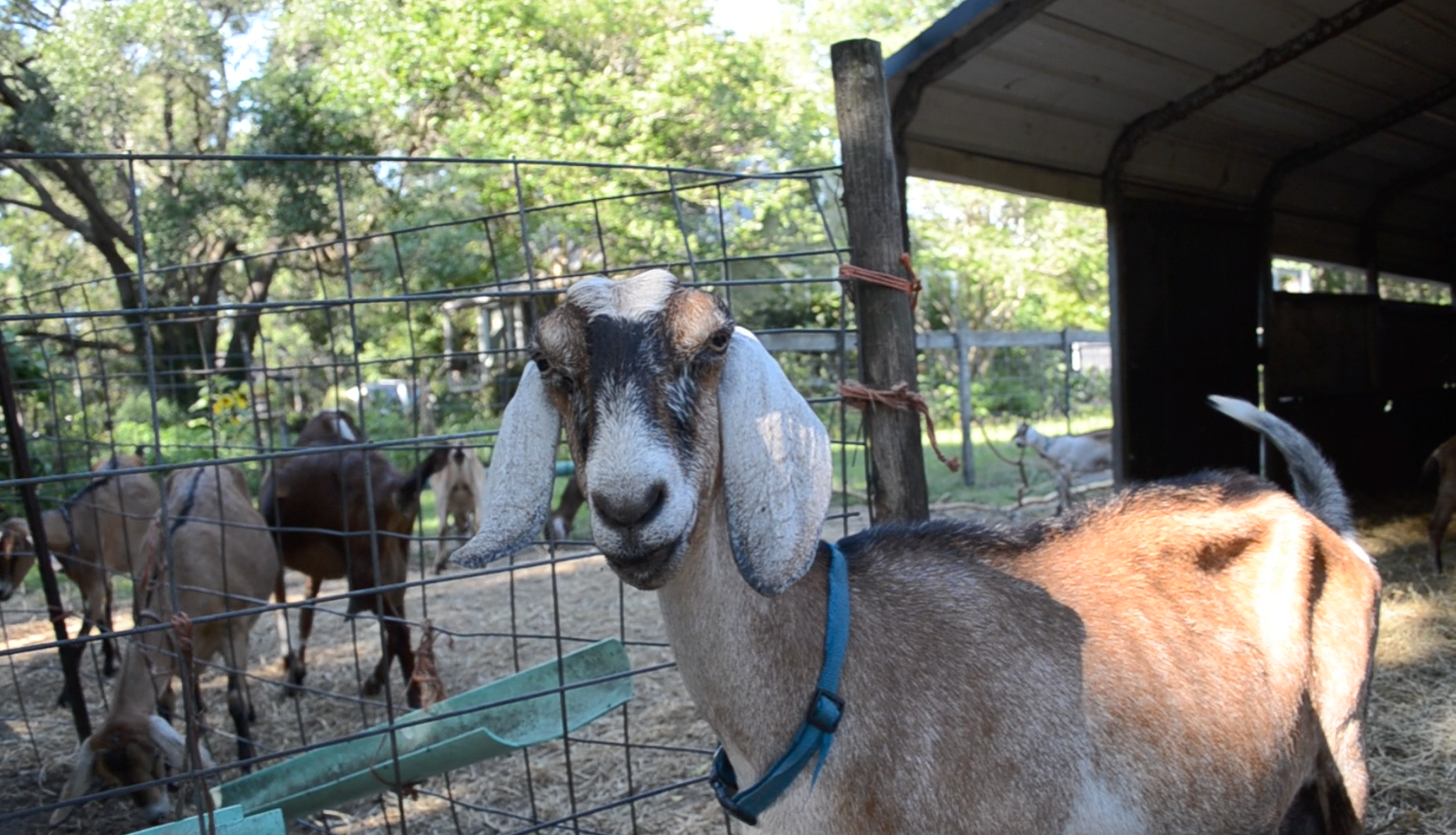
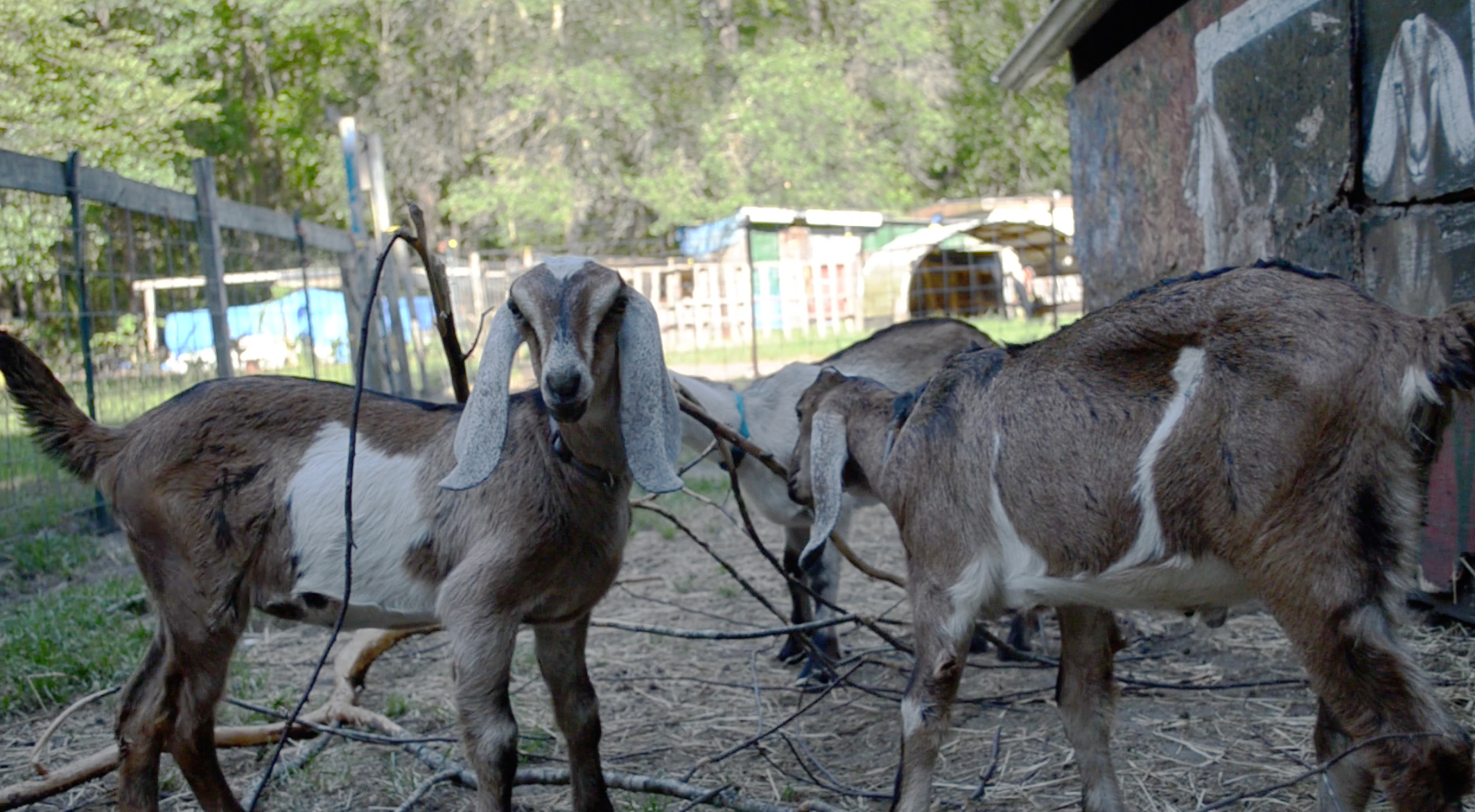
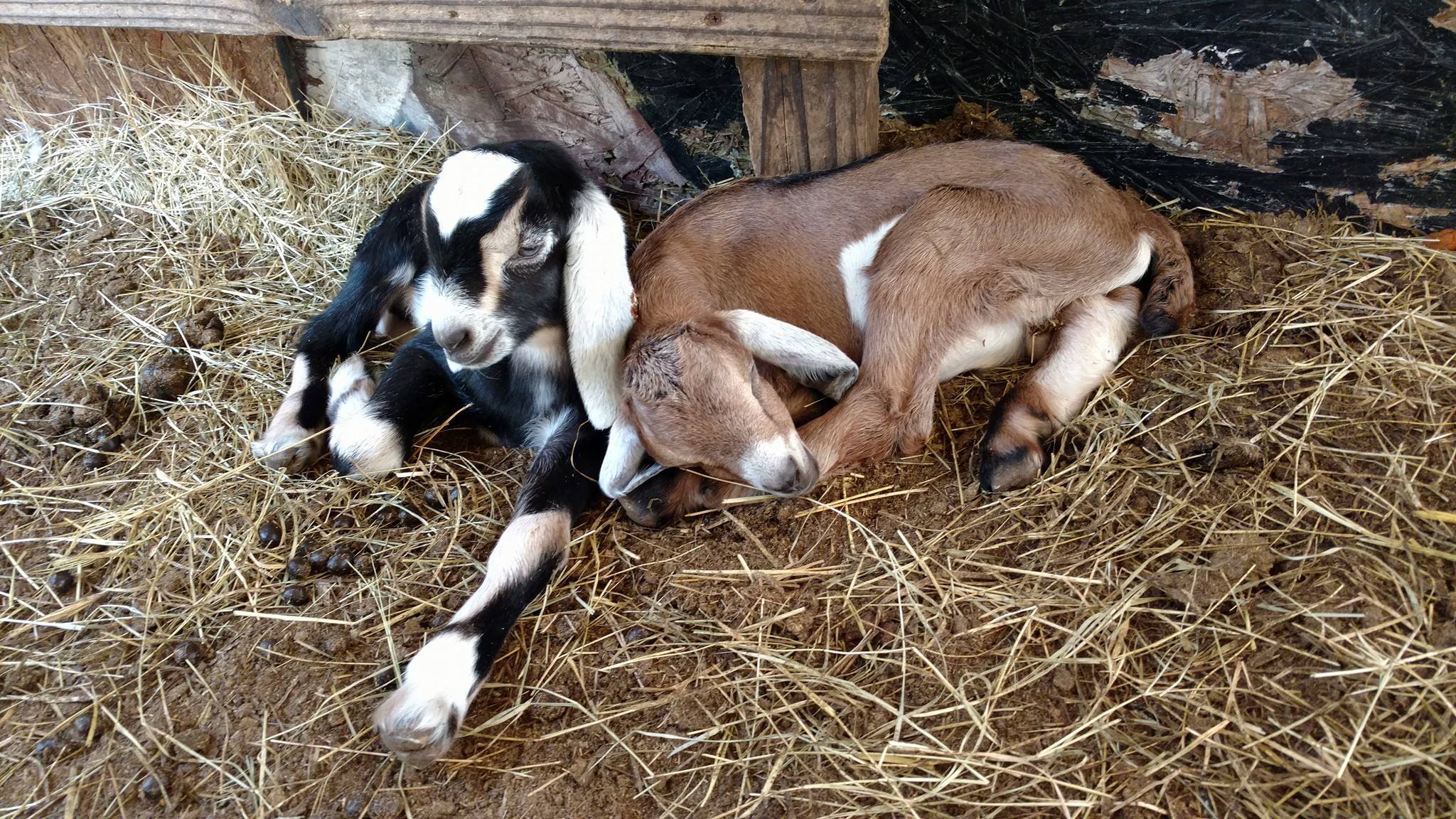
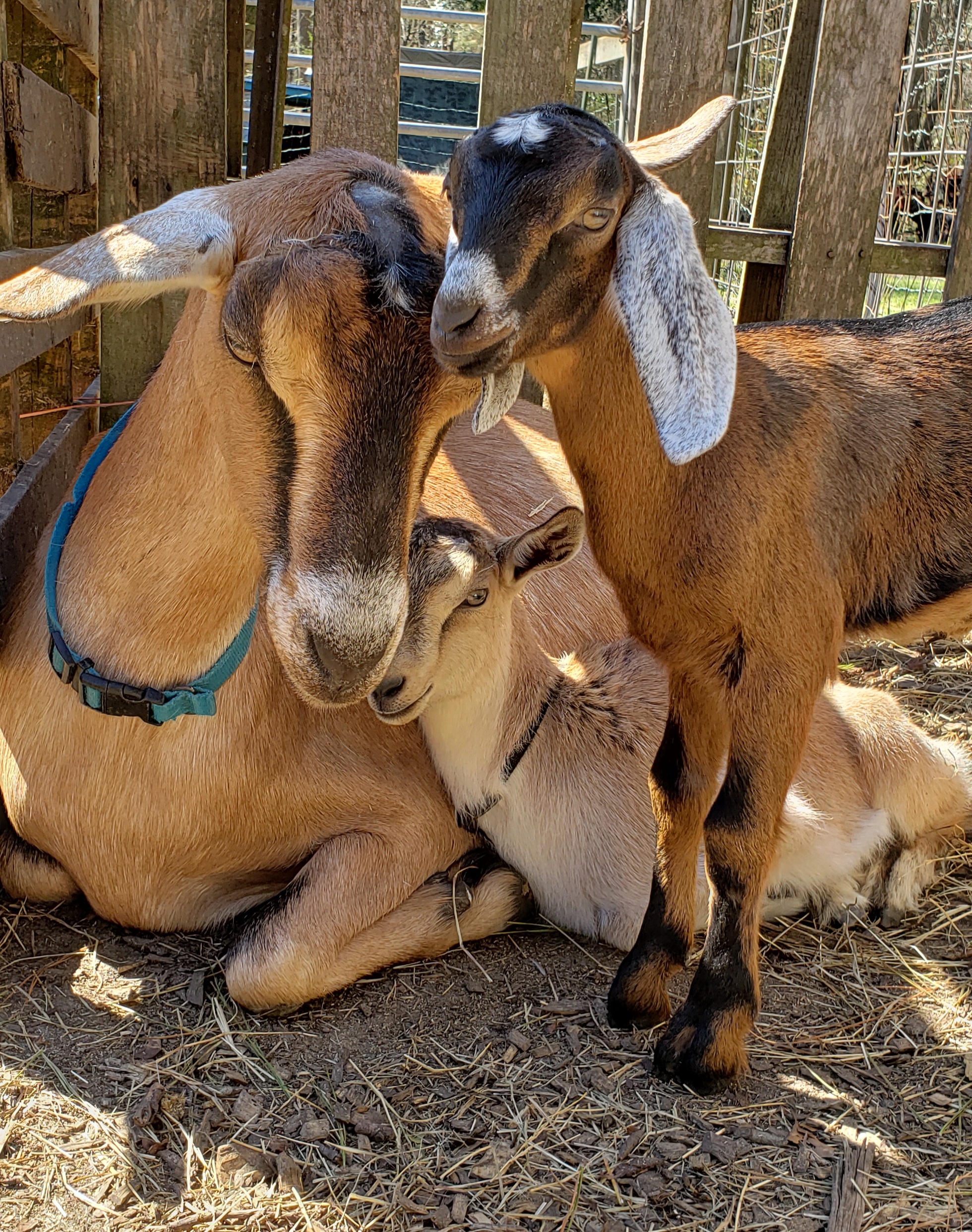
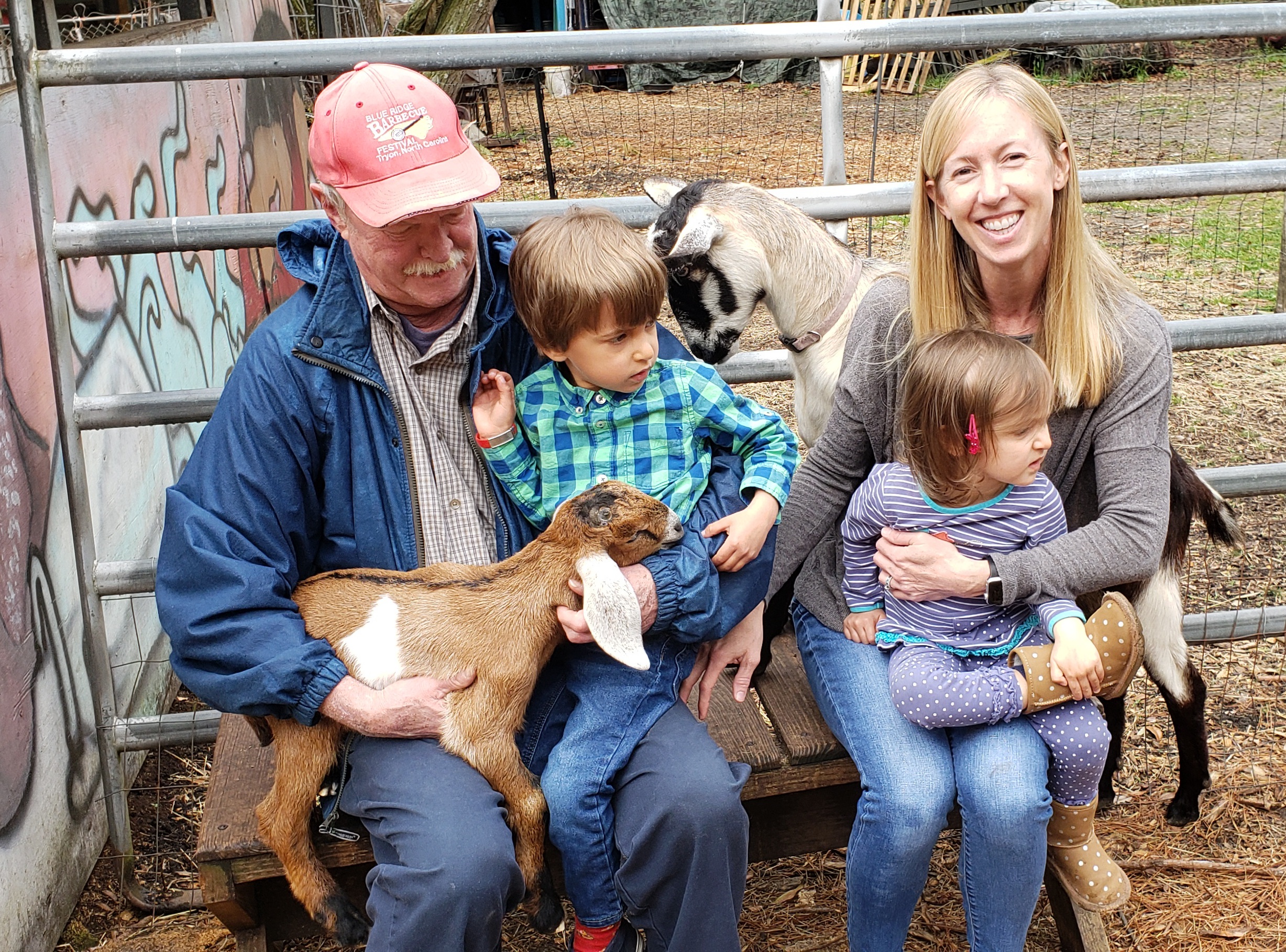
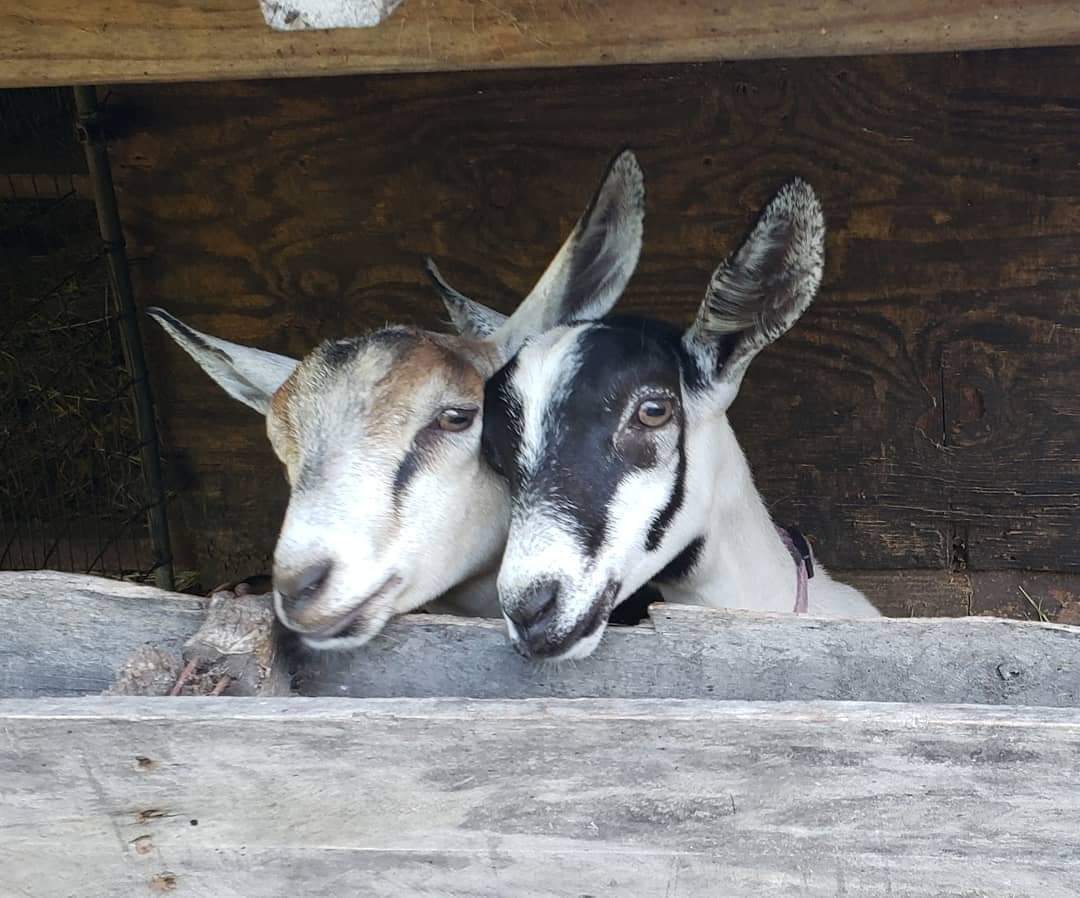
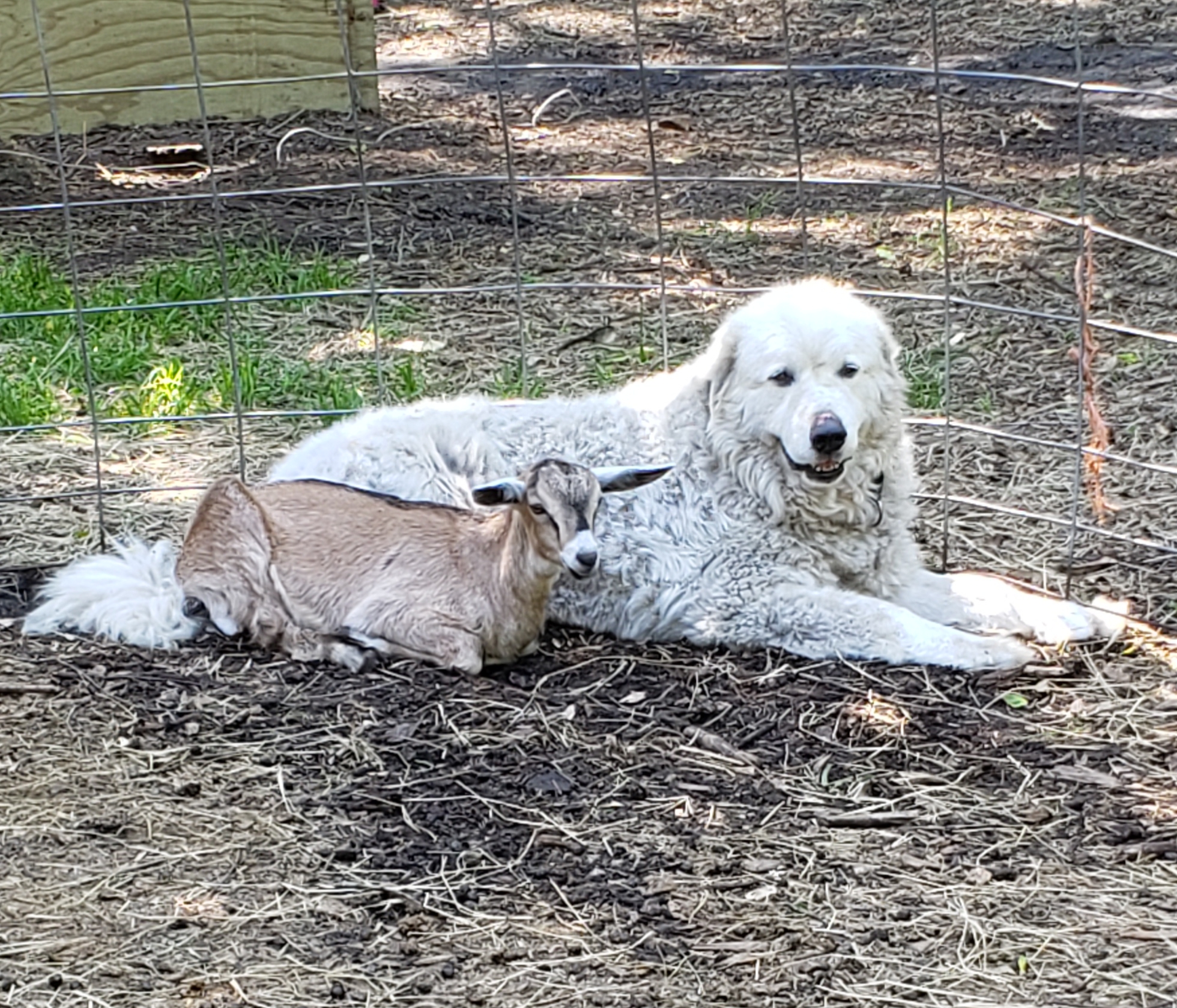
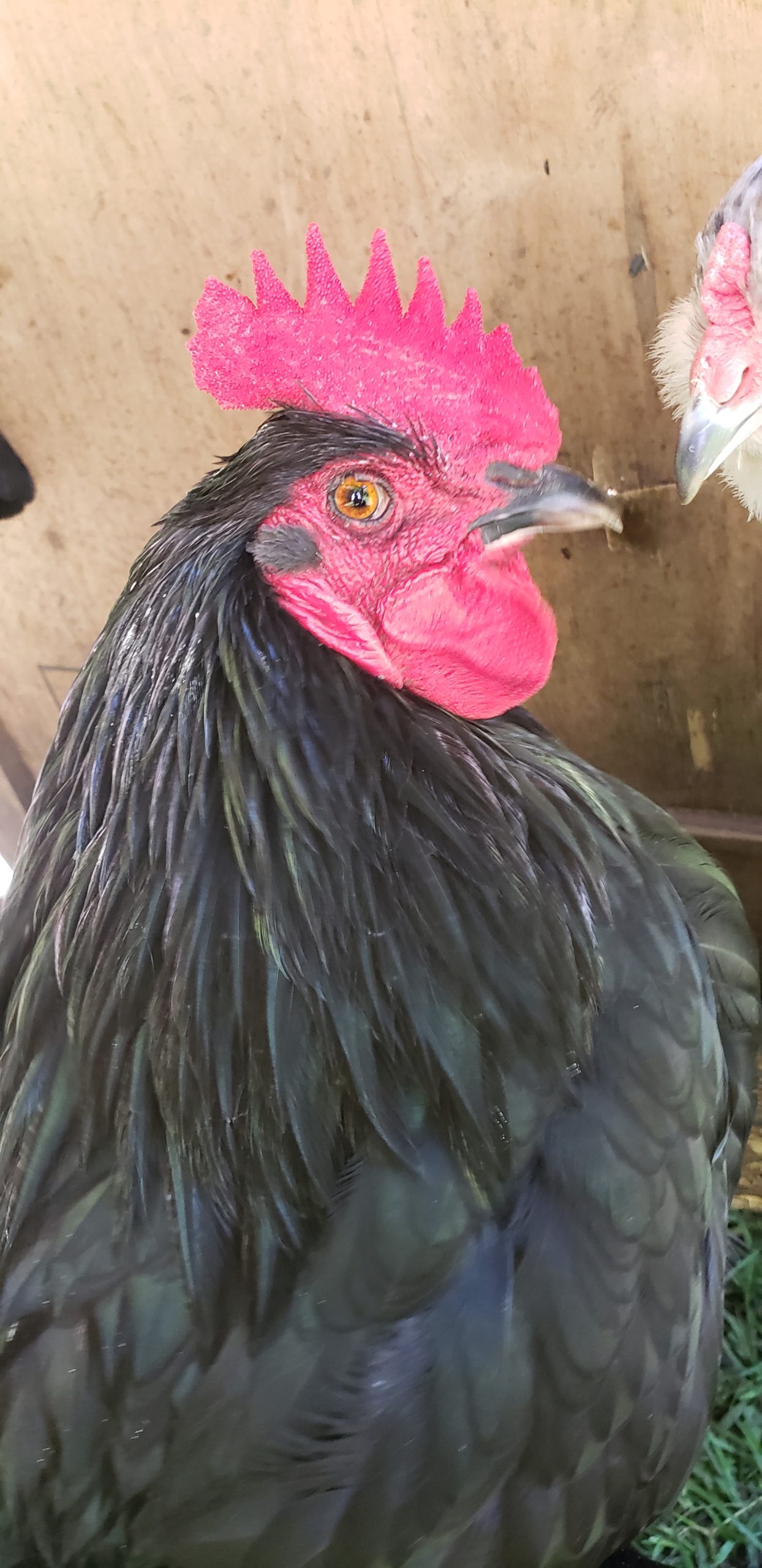
Jeremiah Farm is an educational farm and Grade A raw milk goat dairy. We invite you to visit our homestead and experience our small herd of dairy goats, laying hens, and seasonal vegetable, flower and herb gardens.
Our Mission
Welcome to the farm!
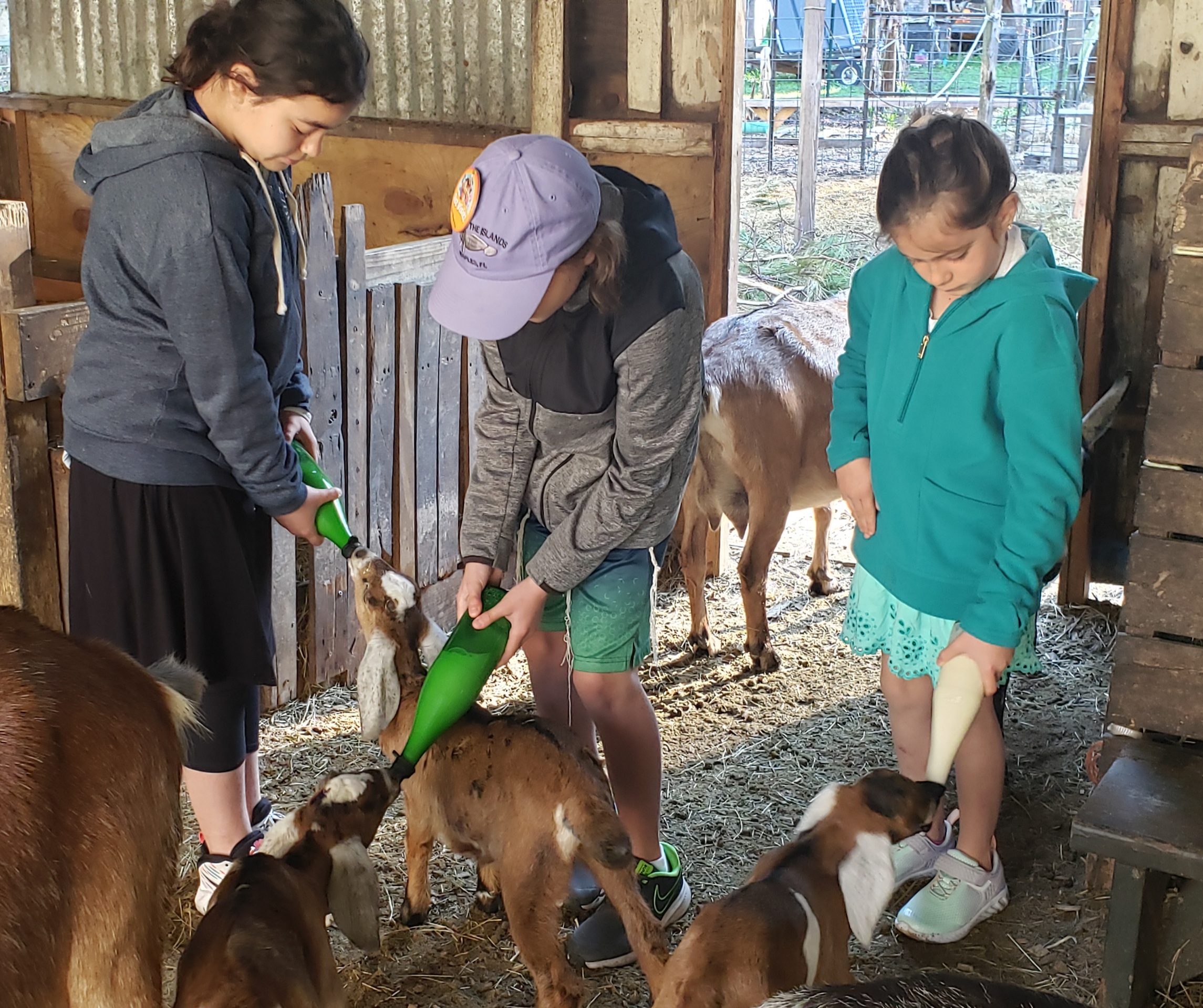
We are first and foremost a Grade A raw milk dairy. In addition to providing our community with the best tasting milk in the state, we are passionate about connecting folks with their local food through educational farm tours and sustainable living classes geared toward individuals, families, small groups and students.
We encourage local and seasonal eating by selling our Grade A raw goat milk, fresh eggs, farm fresh produce and herbs.
We sell our handcrafted goats milk soaps and birdhouses, farm grown loofa and also offer cheesemaking supplies and select dairy goats for those that are wanting to move into a more sustainable lifestyle.
What’s Coming Up At The Farm:
Fast & Fresh - Two Cheeses In 2 Hours September 19 1- 3 pm
Two Cheeses, Two Hours, Lots of tasting, lots of goats to visit! Come discover just how easy (and delicious) mozzarella and ricotta can be.
Gift Certificates for Classes/Workshops
Classes and workshops at Jeremiah Farm & Goat Dairy are offered year-round, and gift certificates are always available—especially lovely for holiday giving.
Gift certificates may be used to join a public class, schedule a private class for 4–8 people, or help create a custom class experience.
Whether you’re gifting to an individual, a couple, or a small group, we’re happy to help bring people together and fill remaining spots as needed.
Visit our classes/workshop pages then reach out to us anytime—we’d love to help you share time at the farm this season. Call Casey for more info or to purchase 843-276-3115
Gift Certificates- Farm Tours and Other Experiences
Whether you’re looking to spend a little time with the goats, gather friends or family, or gift someone a visit to the farm, we’re happy to help shape an experience that fits. Visits are available for individuals, couples, and small groups, with offerings that change with the seasons—and the goats’ moods.
Give us a call/email/text to start the conversation—we’d love to welcome you to the farm and share a bit of everyday farm life with you… 843-276-3115
What's In The Farm Store This Season?
Pastured Eggs –
Fresh Goats Milk –
Goats Milk Kefir –
Flower seeds –
Goats milk soap –
Handcrafted Wooden Fridge Magnets –
Handcrafted grapevine wreaths –
Herbs –
Books about local farms/farmers–
Bluebird House (handcrafted)
Farm T-shirt –
Go(a)t Milk?
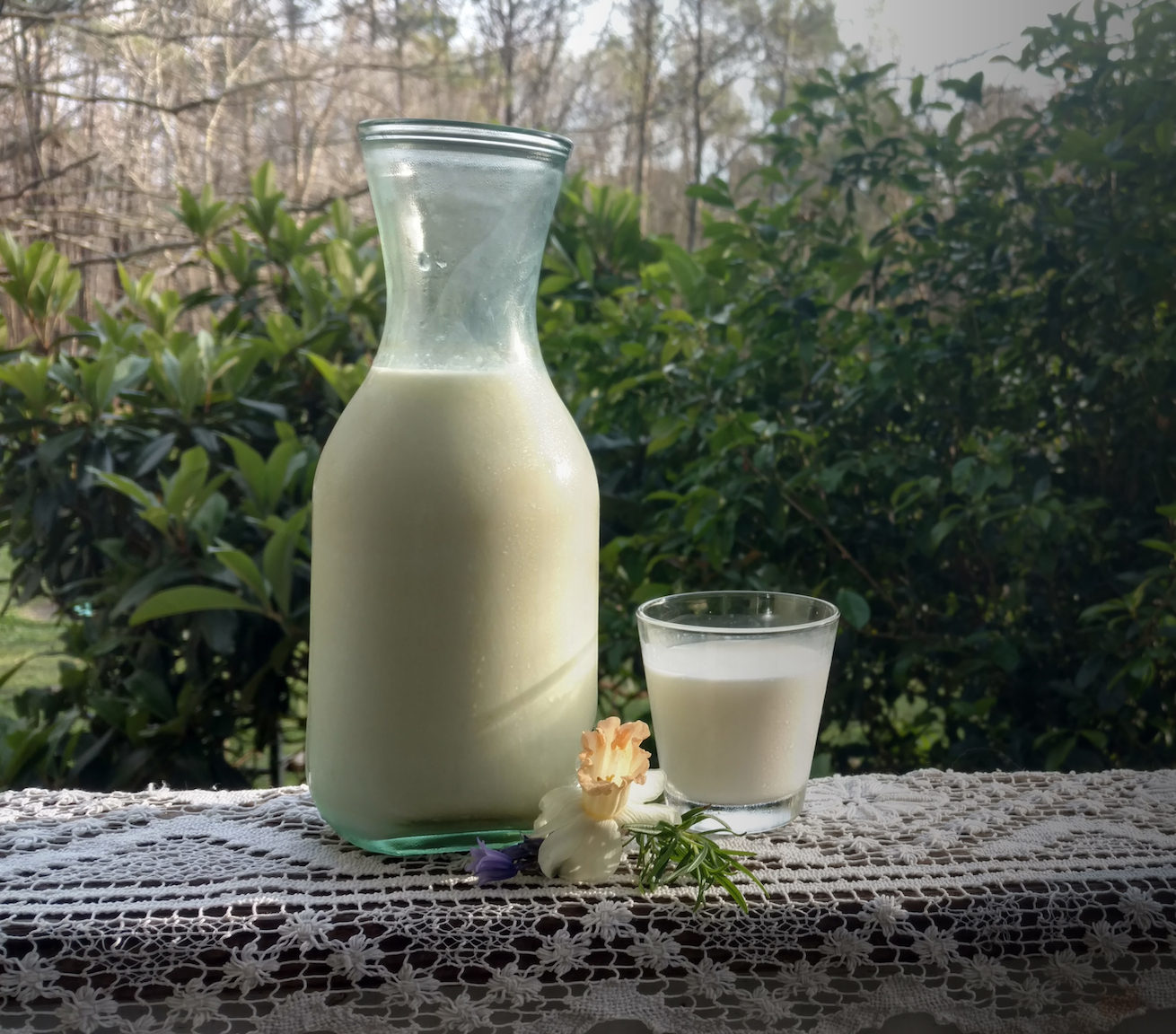
When you try our products for the first time, you might not believe you’re tasting goat milk! We’ve spent over 20 years perfecting our process to bring you the sweetest milk in South Carolina.
Our herd is milked twice daily for peak freshness, and you can purchase fresh or frozen half-gallon jugs right here at the farm Monday through Saturday between 9:00 AM and 11:00 AM, or by appointment.
Go(a)t Milk?
When people try our products for the first time, they often can’t believe they’re tasting goat milk. That clean, delicious flavor is the result of more than 20 years of perfecting our process. Our goats are milked twice daily, ensuring the highest quality and freshness. Fresh or frozen milk is available for purchase in half-gallon jugs directly at the farm, Monday through Saturday (9-11am or call for an appointment).
Jeremiah Farm & Goat Dairy
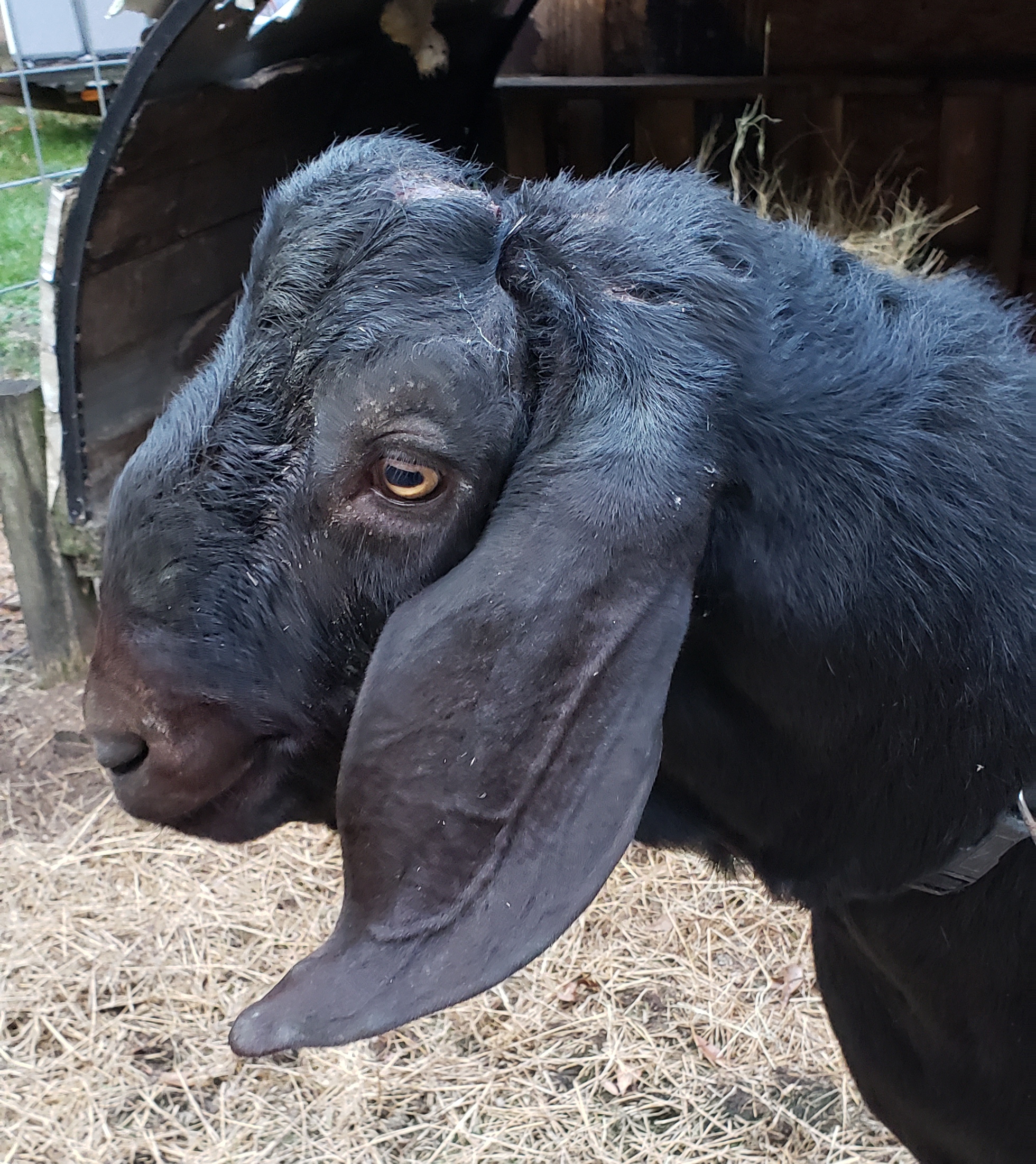
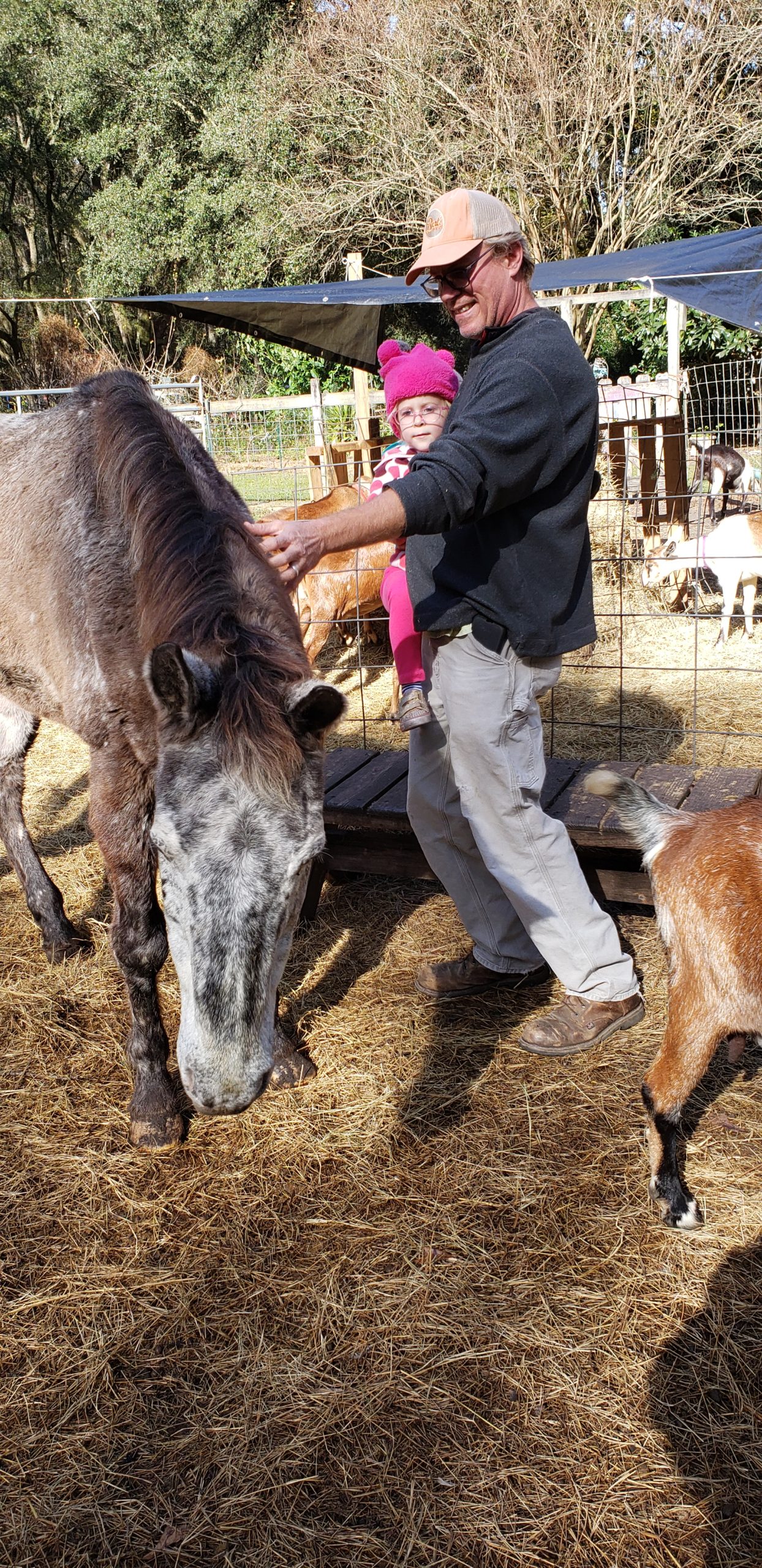
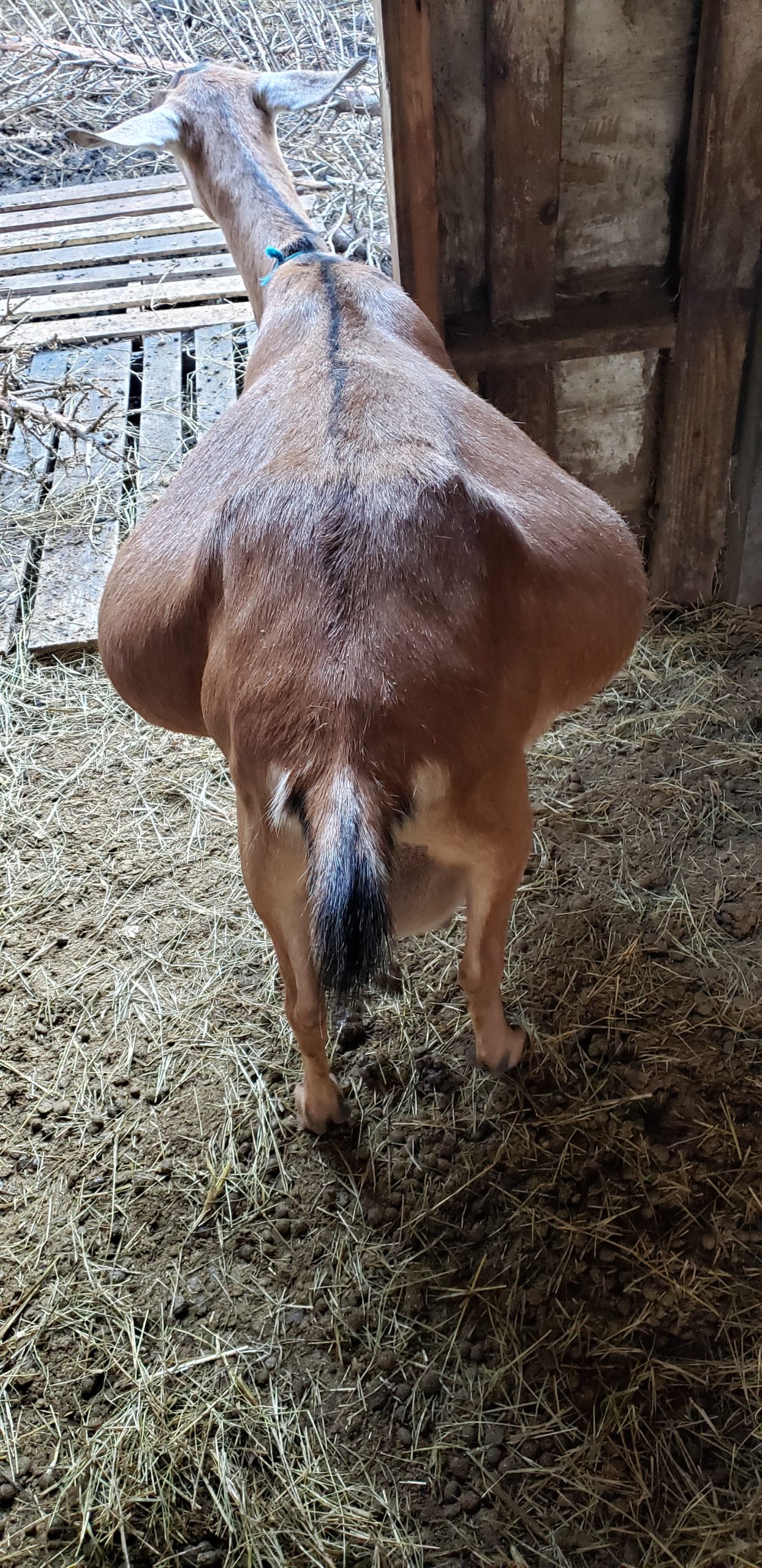
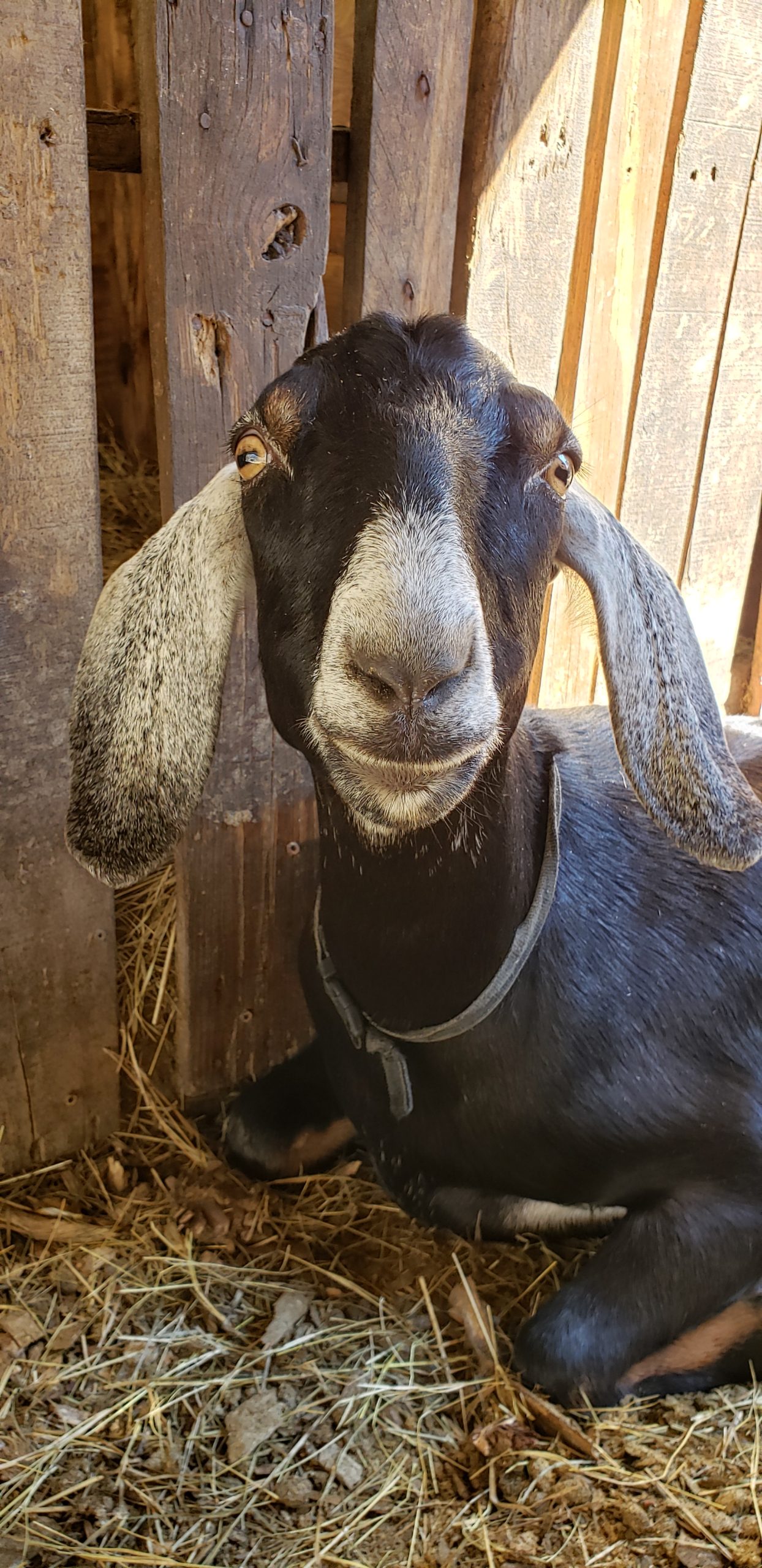
Stories From the Farm
Directions
From Maybank HWY:
Turn onto Main Road – Turn left onto Back Pen Road – Continue down Back Pen Road till the road deadends, then take a left onto a dirt road (Platt Road) – Continue on Platt Road till you see the farm on the left, there will be a sign.
From Savannah HWY:
Turn onto Main Road – Turn right onto Back Pen Road – Continue down Back Pen Road till the road deadends, then take a left onto a dirt road (Platt Road) – Continue on Platt Road till you see the farm on the left, there will be a sign.
CONTACT ME
to schedule a tour, book a class, make an appointment for milk or soap,
purchase gift certificates or get more information.
843-276-3115